Programs
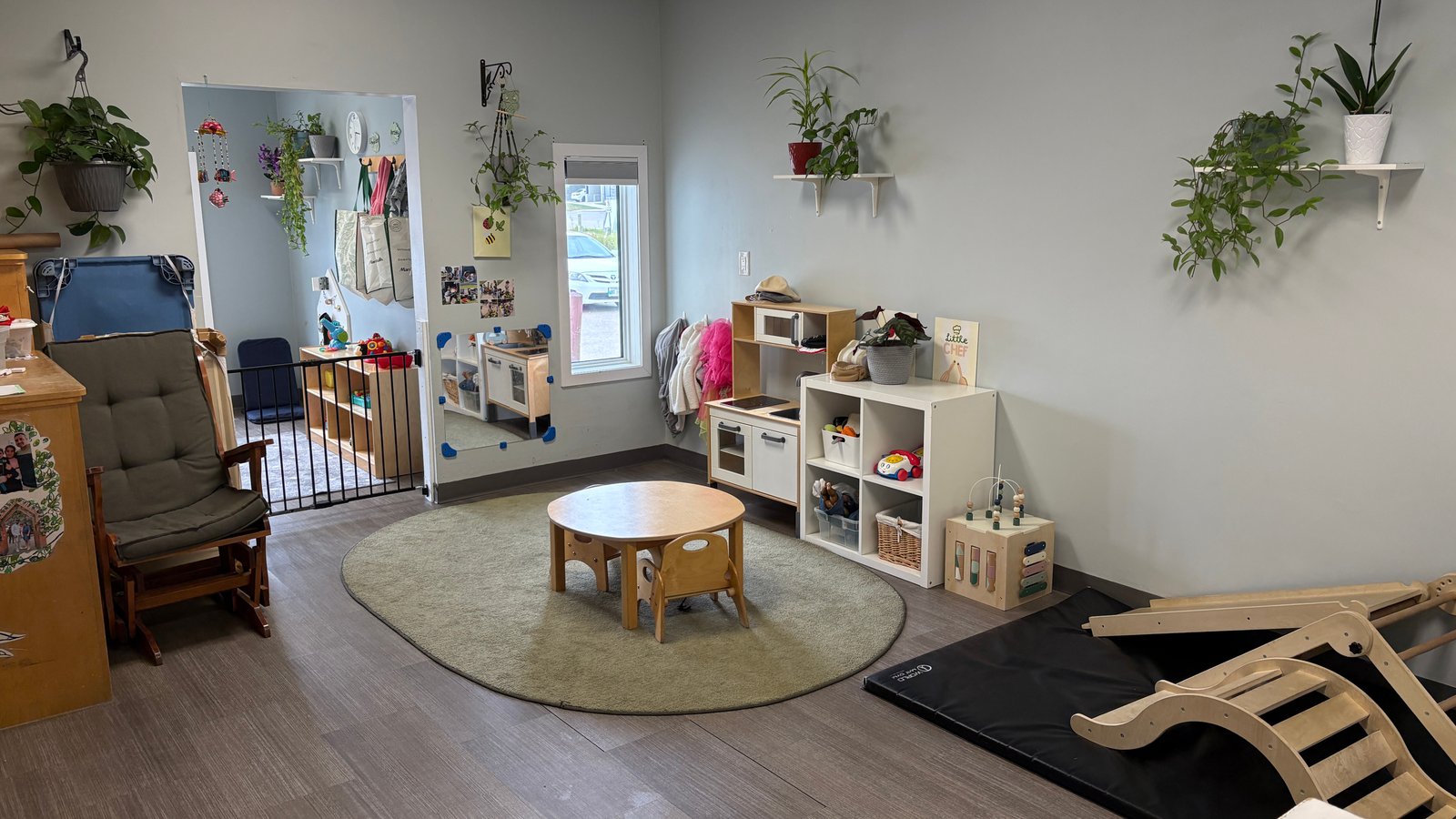
Infants
3 months to 24 months
7:00 am - 6:00 pm
Ratio 1:4
Fees
3 month to 2 years - $10 per day
Non-refundable registration fee - $200
Refundable deposit of $100 (10 days @ $10)
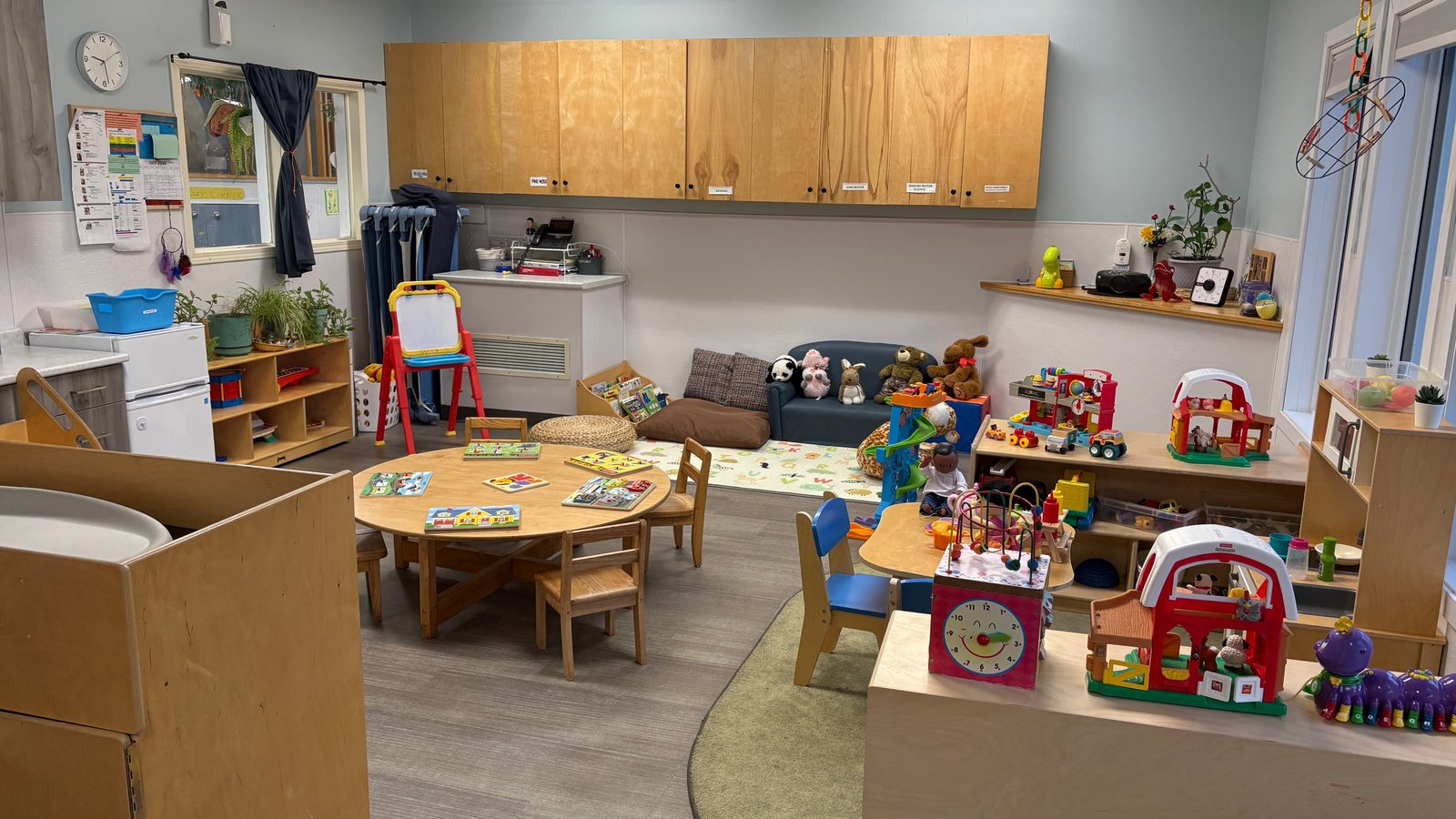
Toddlers
18 months up to 30 months
9:00 am - 5:00 pm
Ratio 1:5
Fees
3 month to 2 years - $10 per day
Non-refundable registration fee - $200
Refundable deposit of $100 (10 days @ $10)
Infant & Toddler Curriculum Statement
We believe and understand that the experiences infants and toddlers
have while in our care plays a vital role in their growth and
development. The infant and toddler curriculum is based on two
primary components; caregiving routines and exploratory play.
Educators engage children through verbal and non-verbal
communication, including responding to cues and labelling
interactions and feelings, all while nurturing a trusting
relationship with the children. Educators support children in
building relationships by gently guiding shared play, modelling
interactions, and responding sensitively to each child's cues to
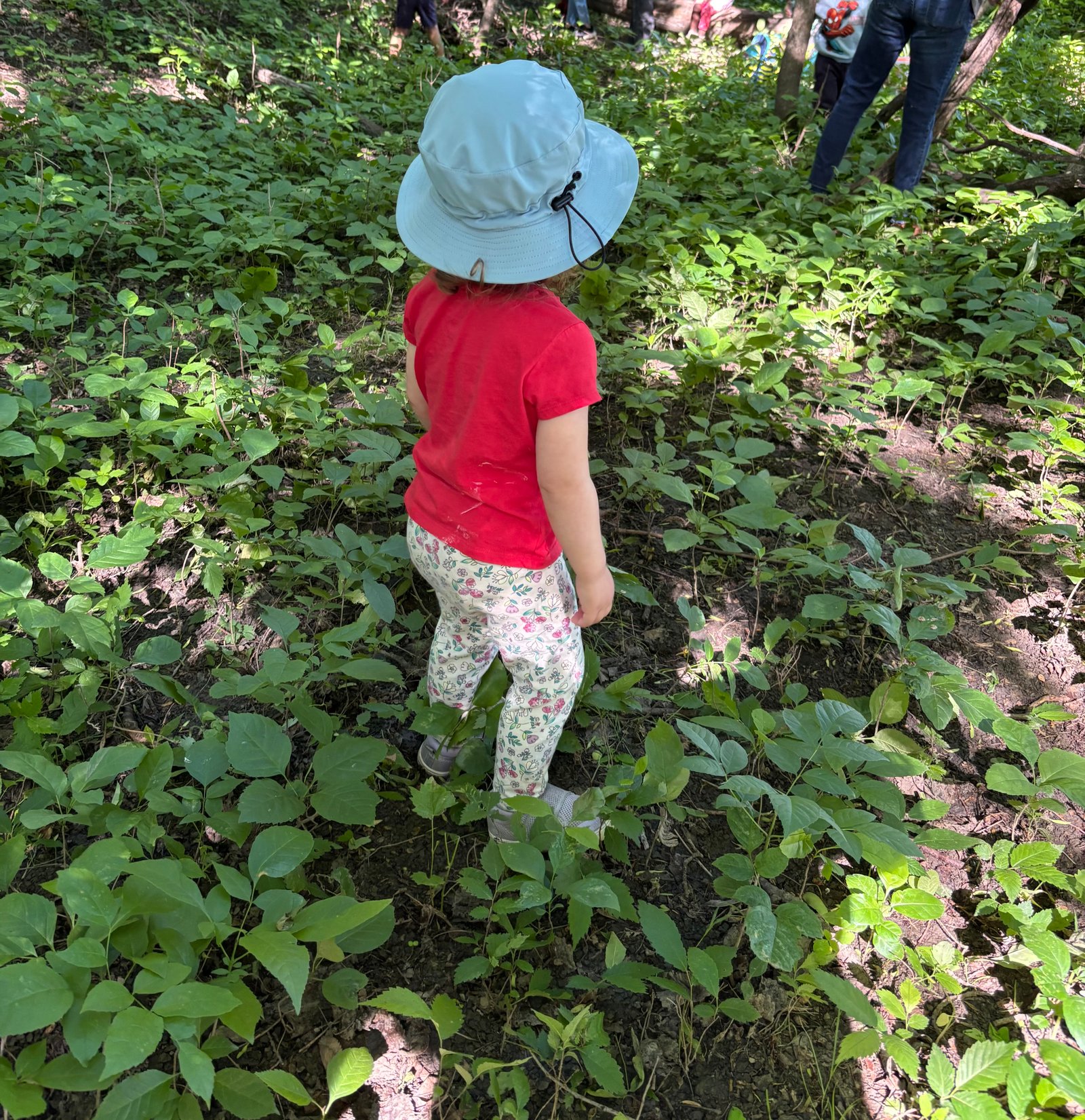
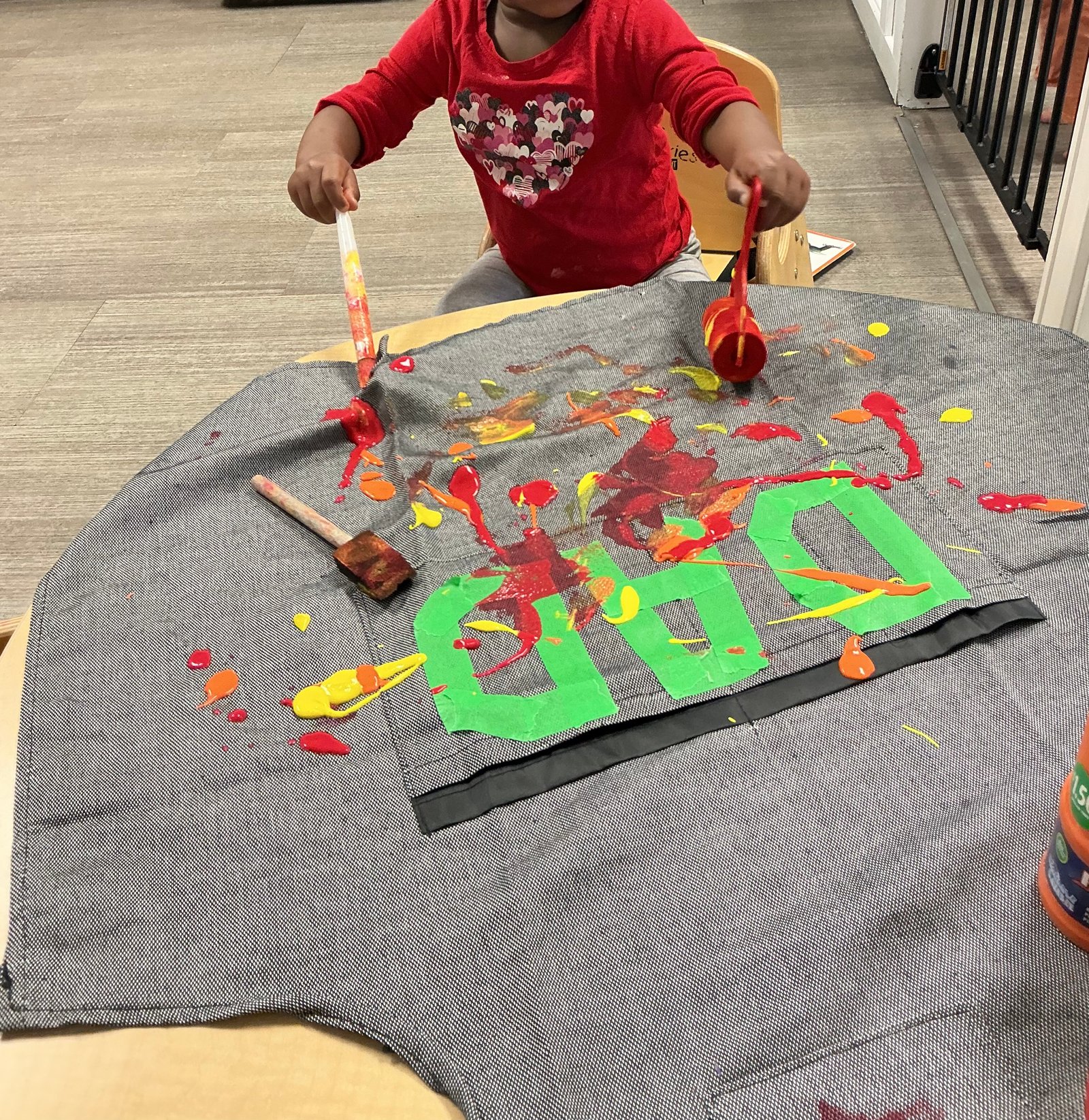
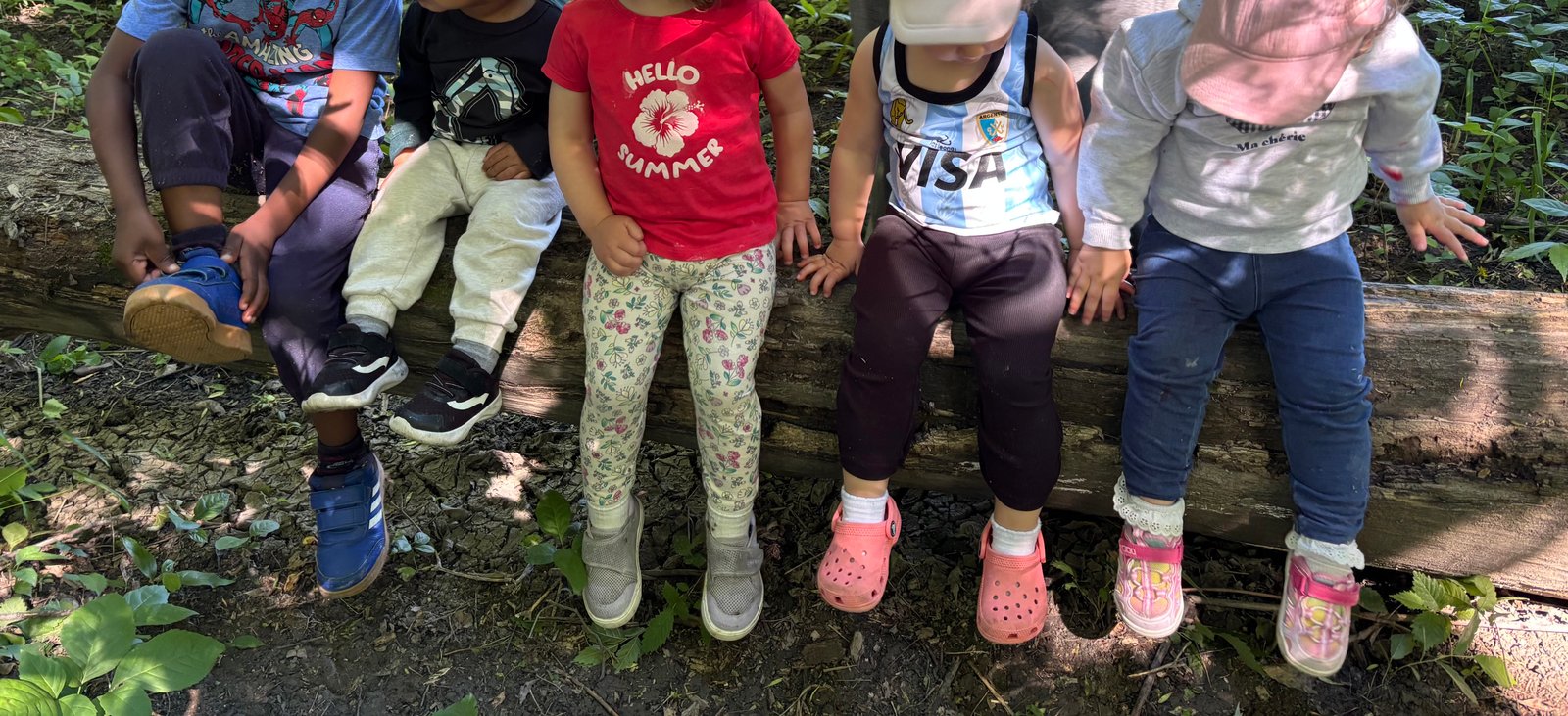
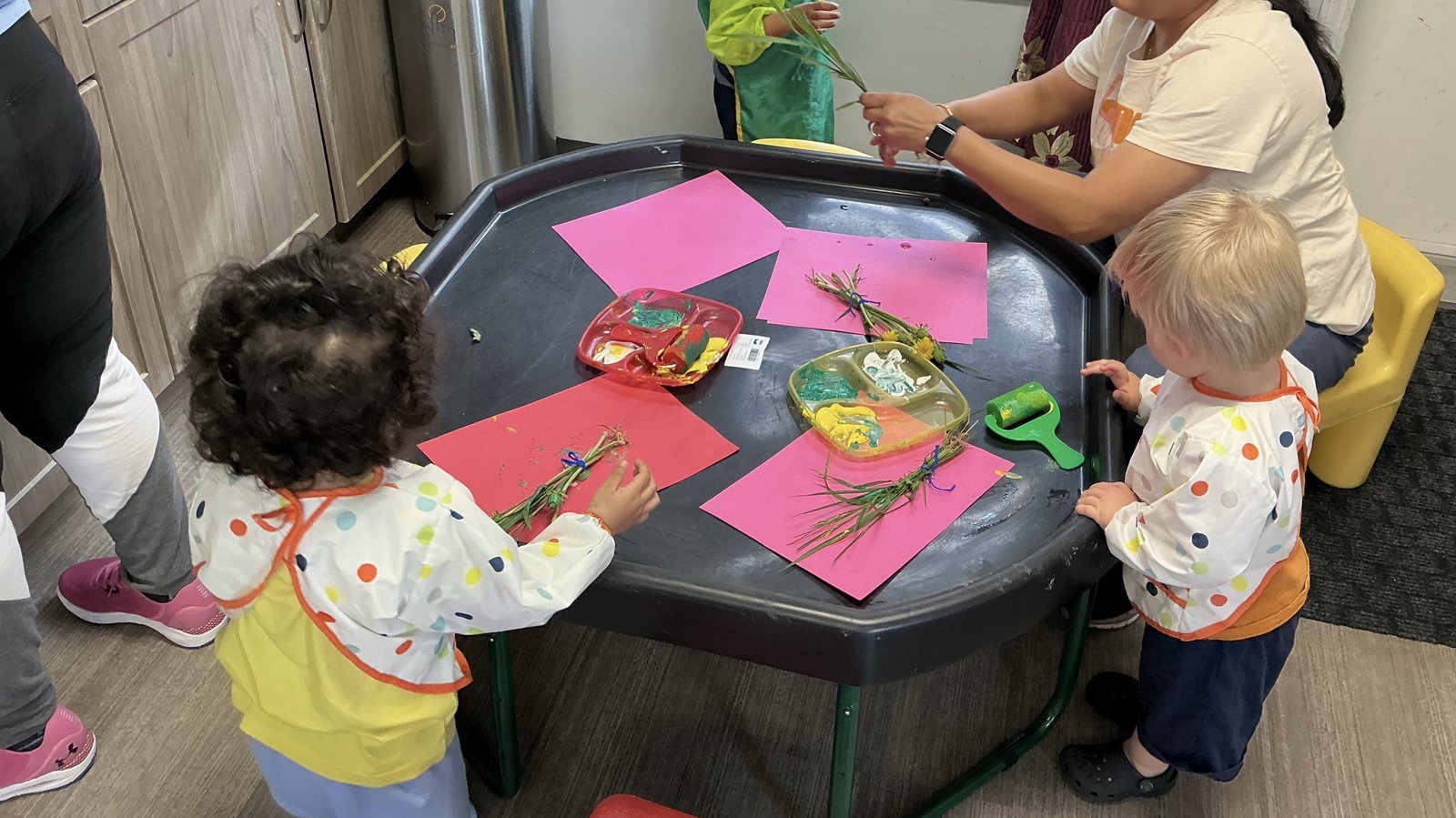
help them feel safe and connected. Planned experiences may include
finger-painting with peers, and discussing the sensory experience,
or inviting a child to play with another child using a common toy or
piece of equipment.
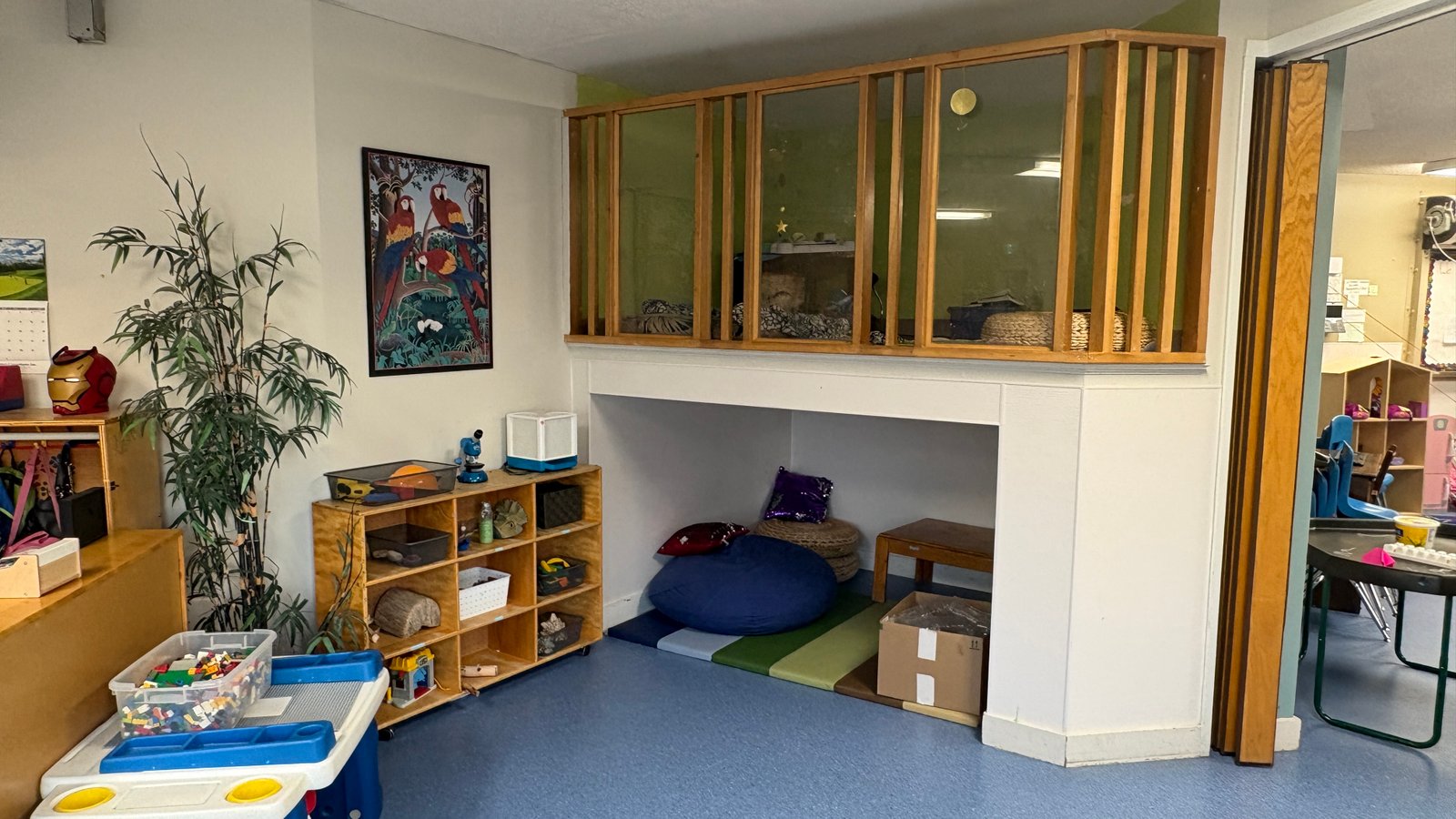
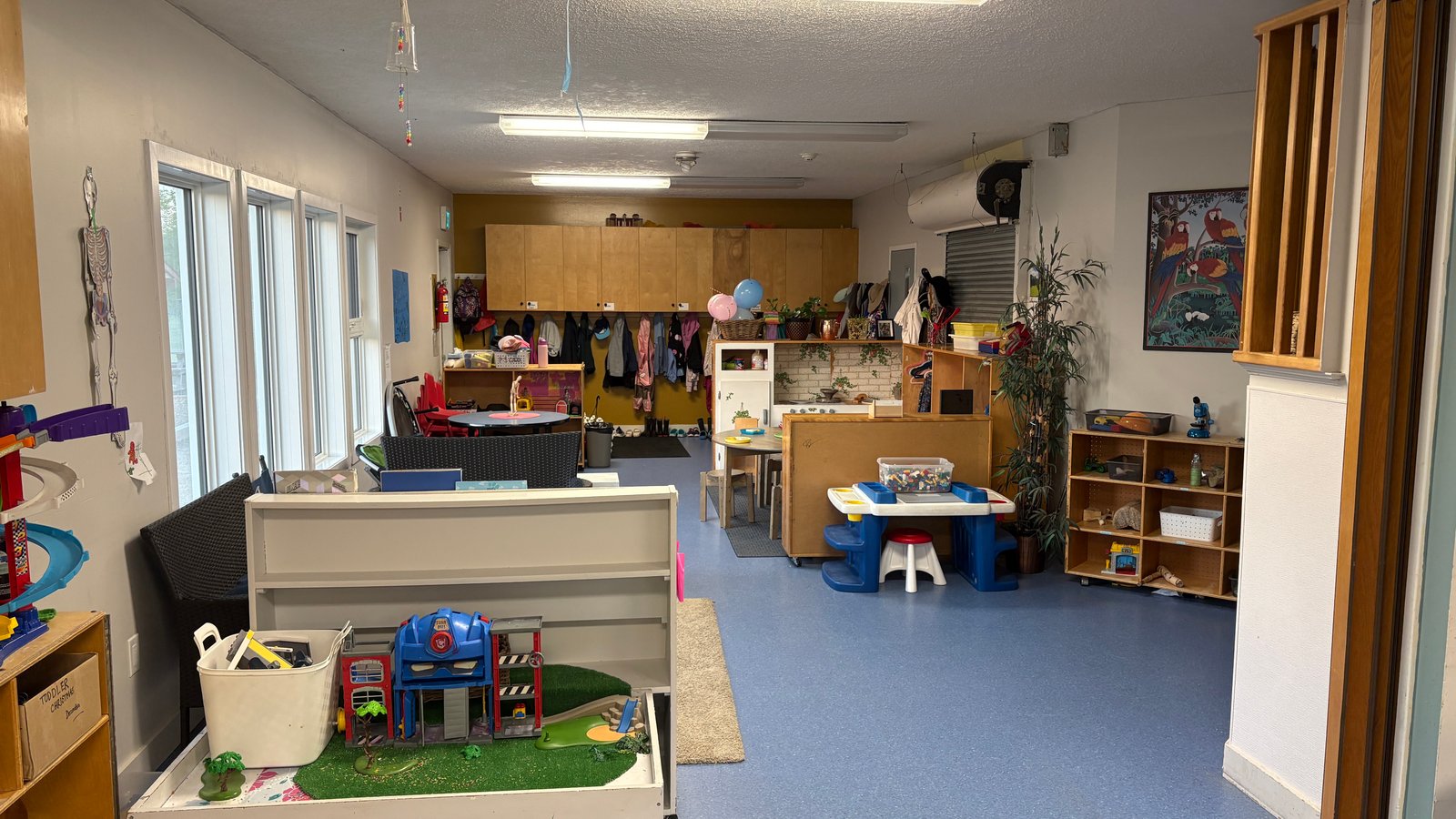
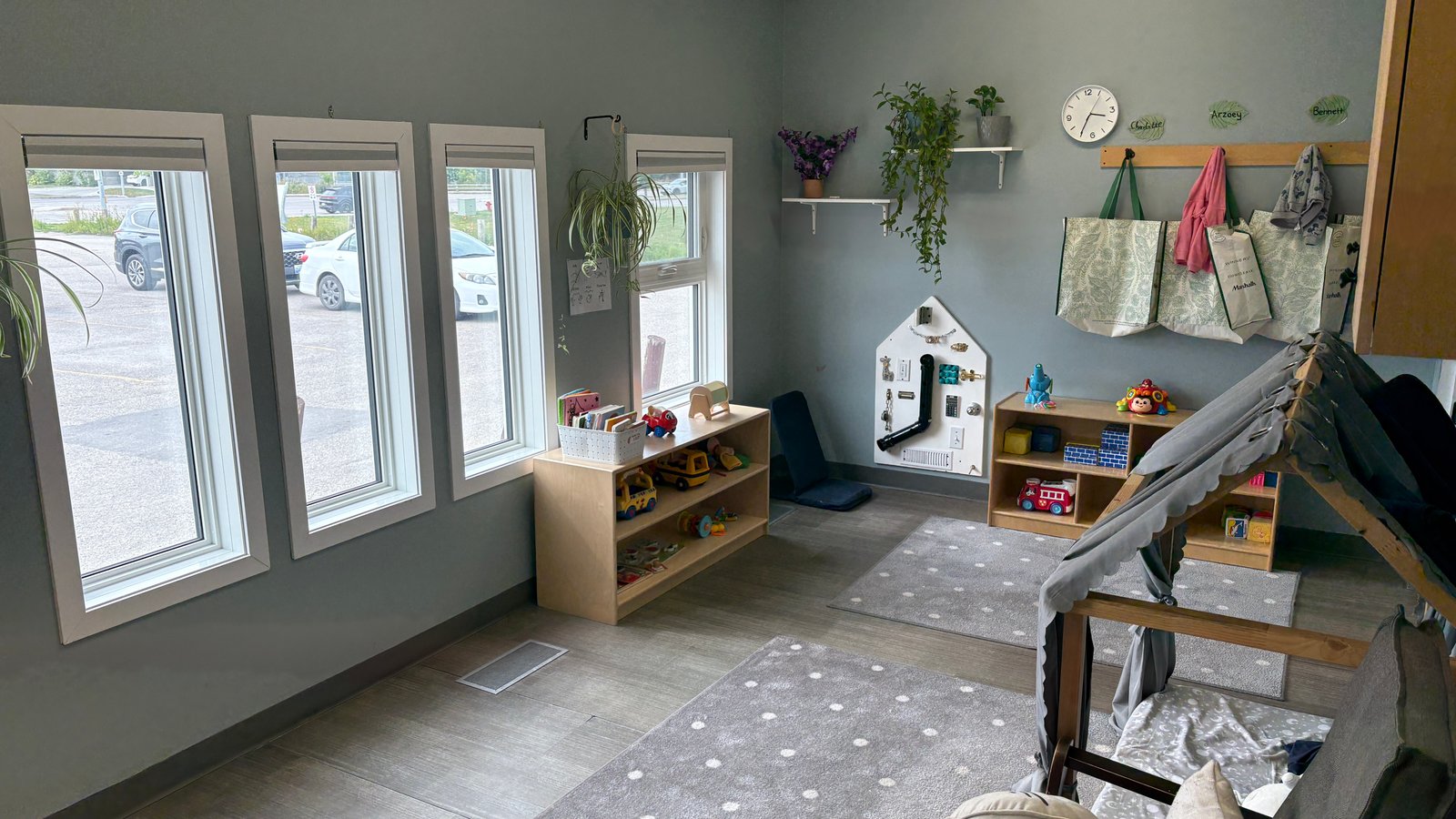
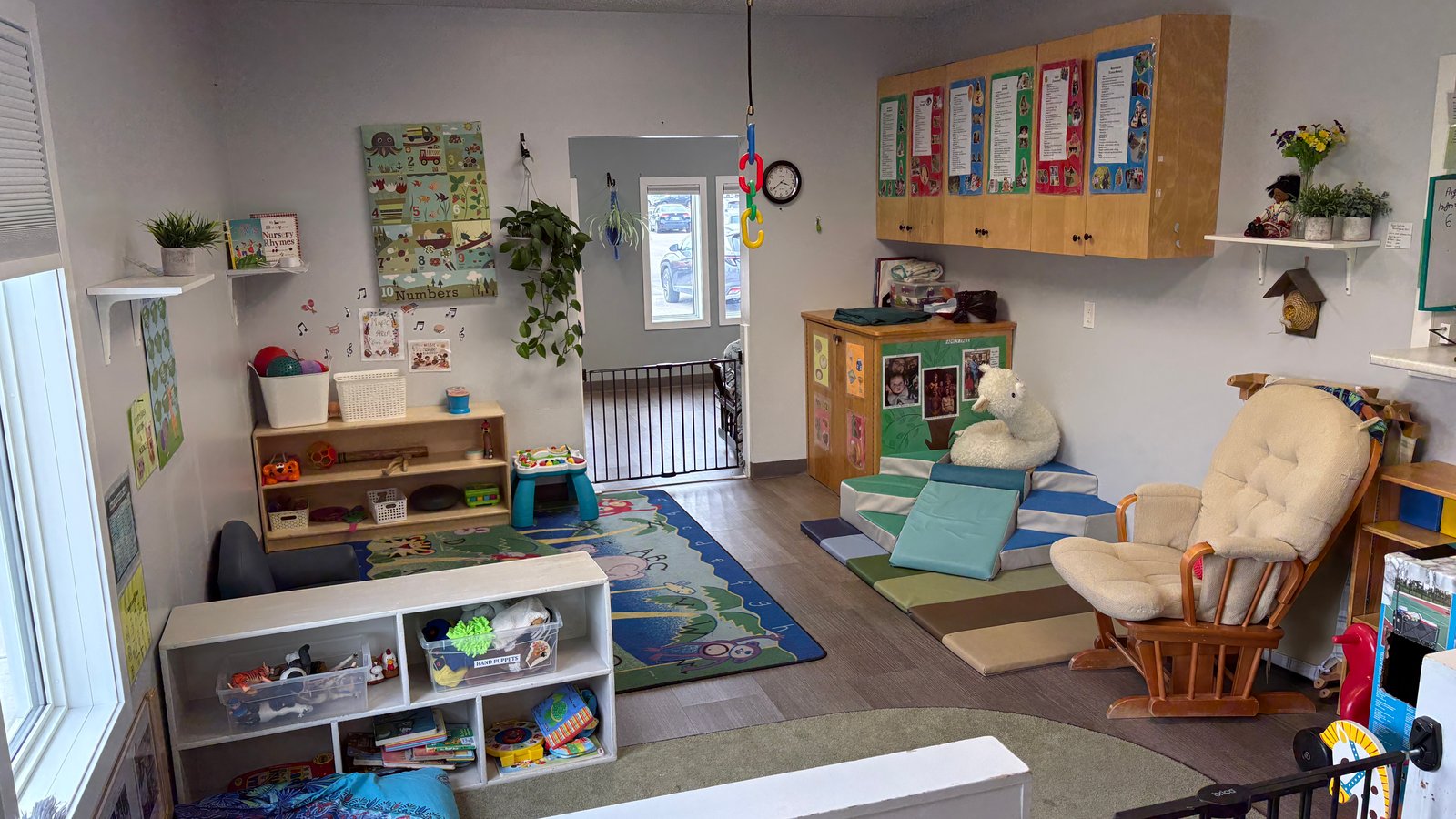
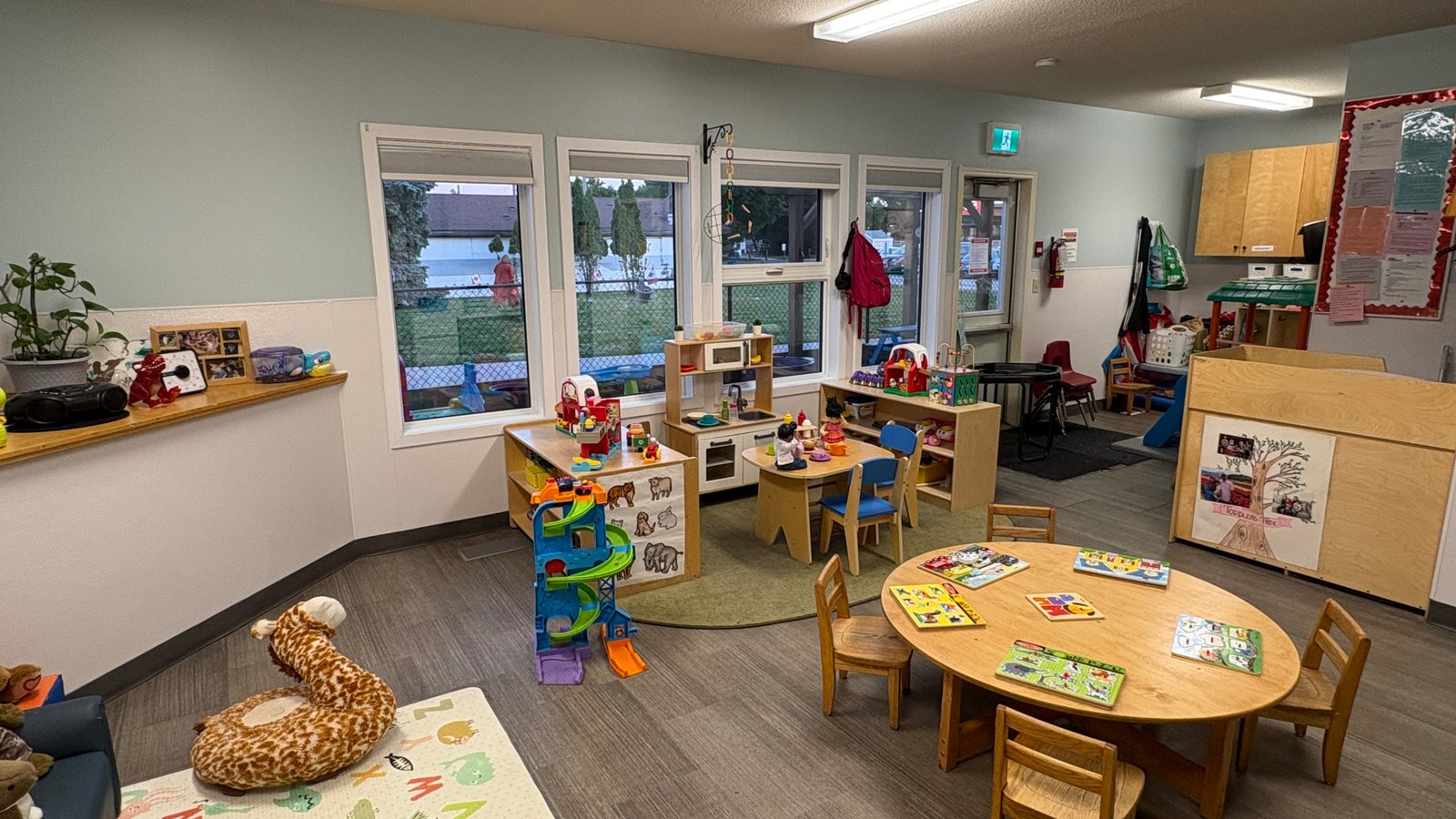
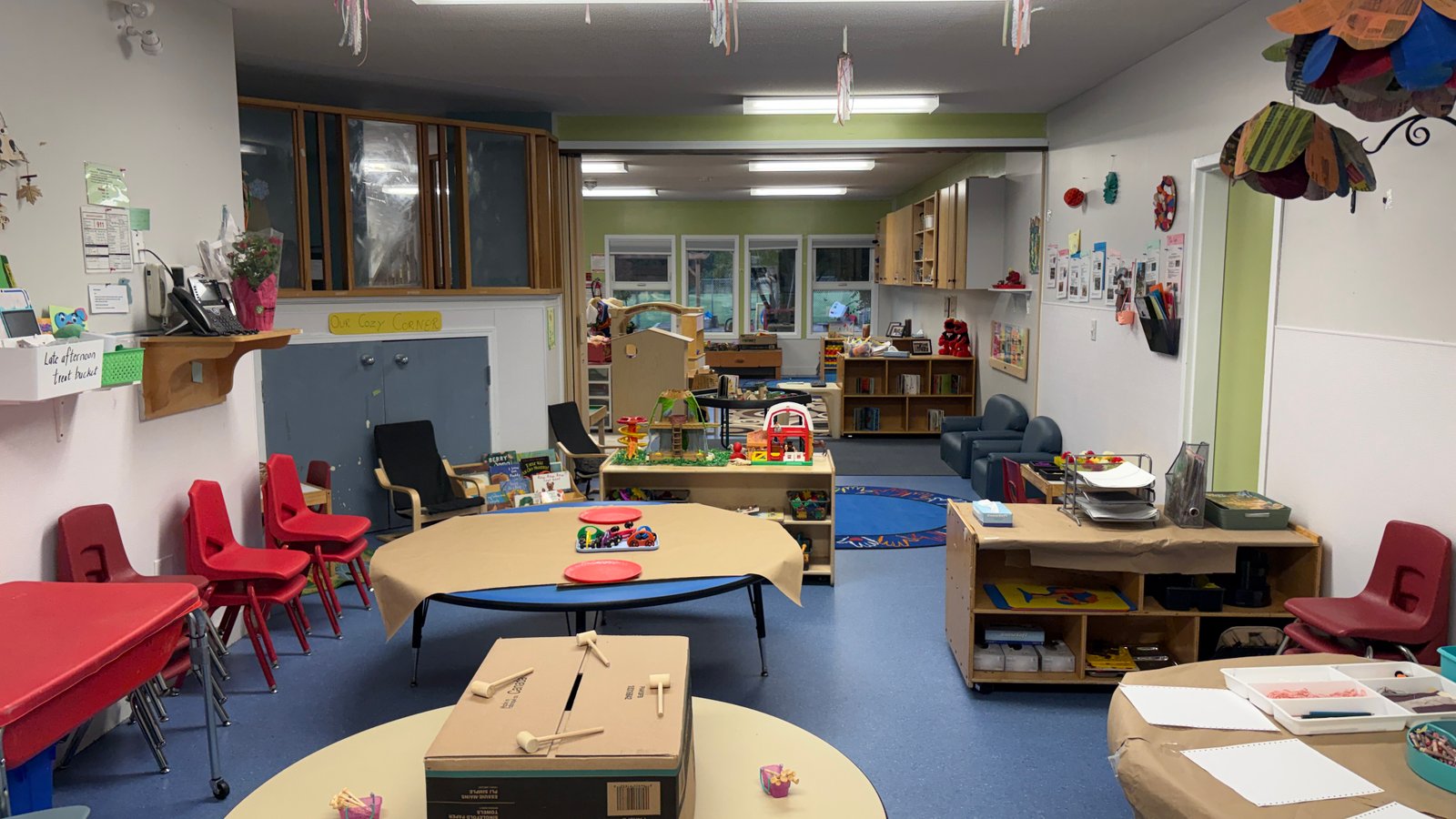
Educators create a warm and nurturing environment where children are
able to explore, learn, and grow. The children's environment is
thoughtfully arranged to encourage exploration. Open spaces and
easily accessible toys and materials create a homelike environment.
Soft seating areas, baskets of books, soft climbing items and tables
for creative play create learning opportunities throughout the
space. Fine motor items accessible to the children include musical
instruments, blocks and puzzles.
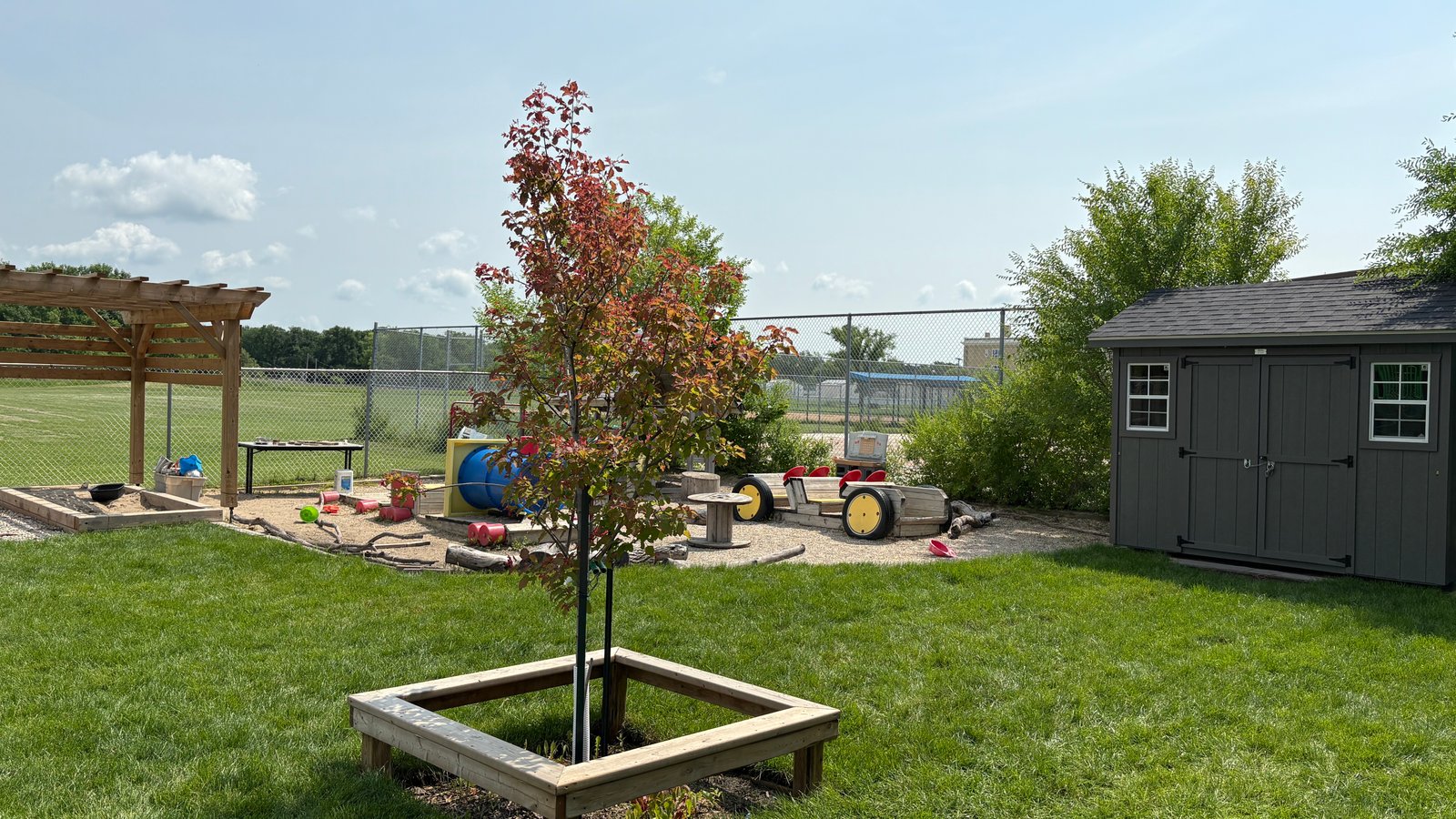
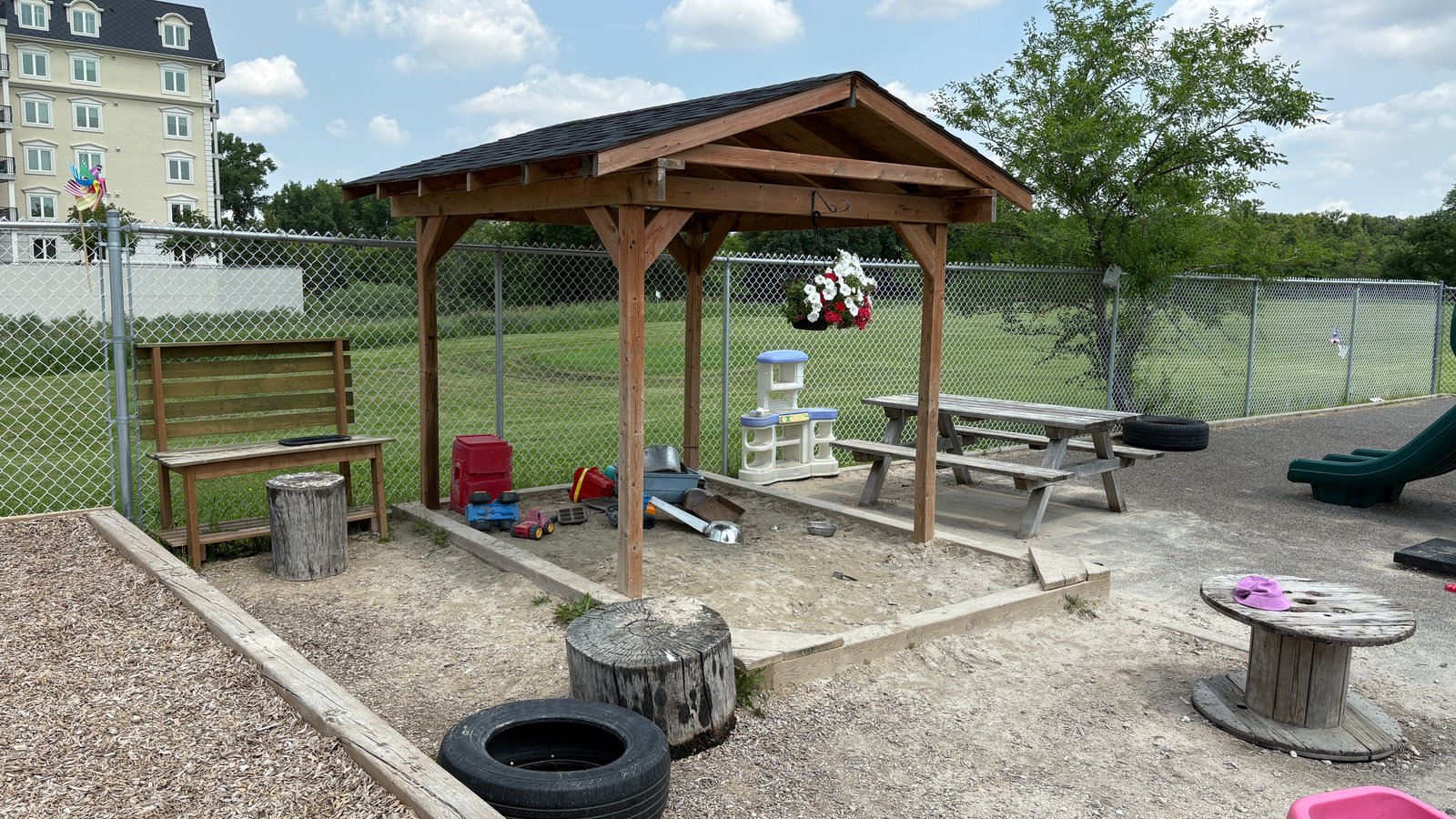
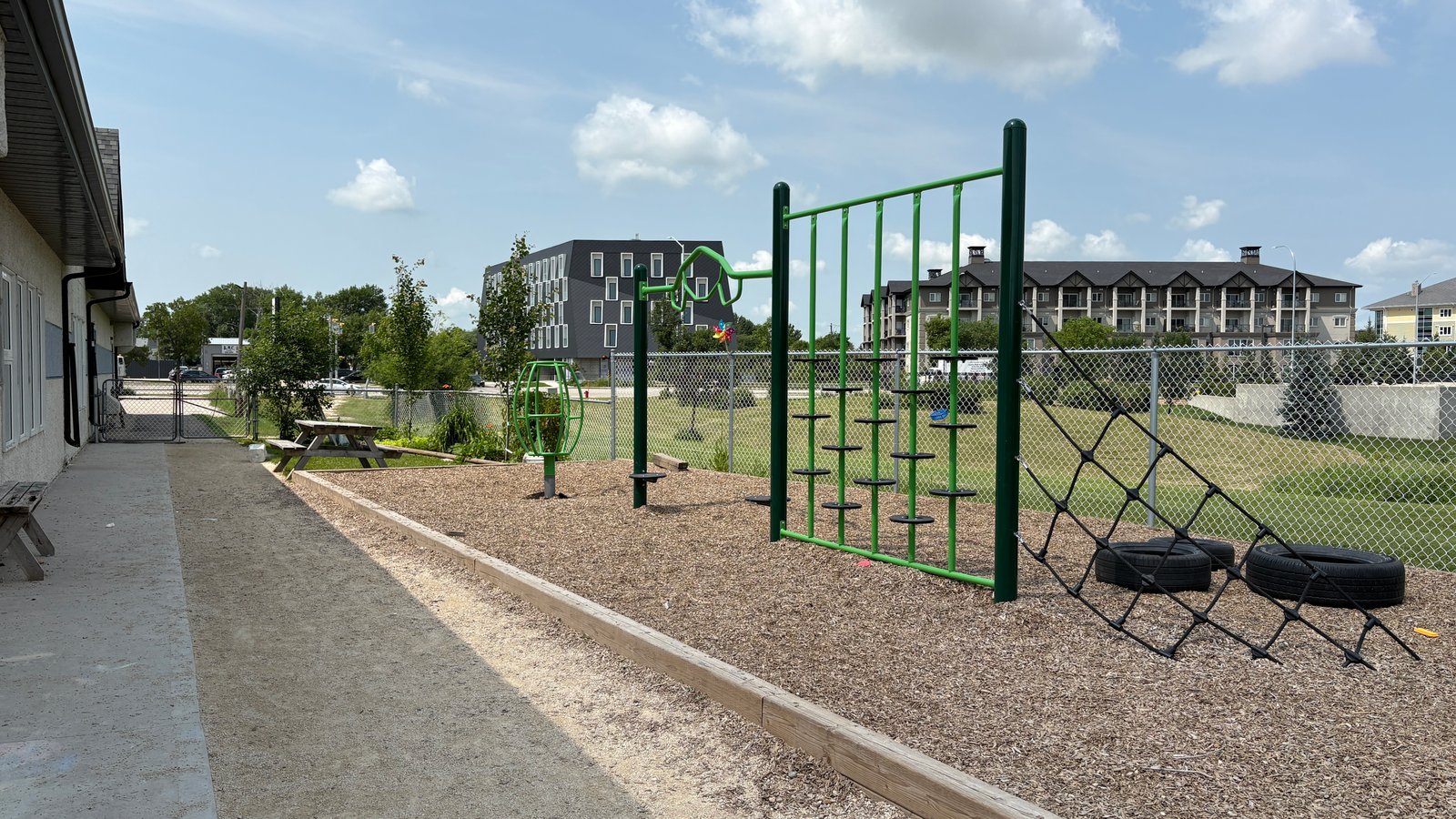
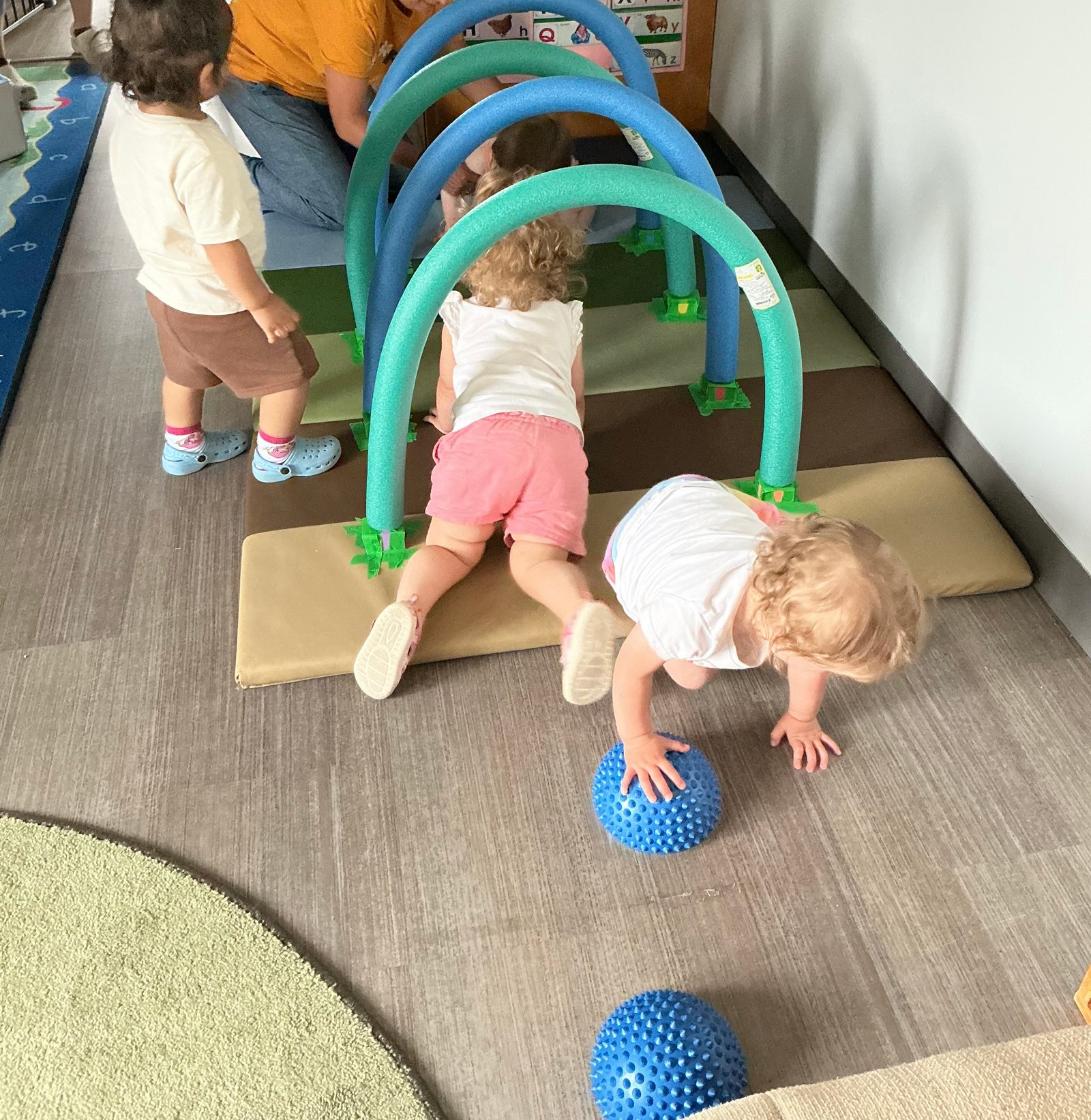
Outdoor equipment
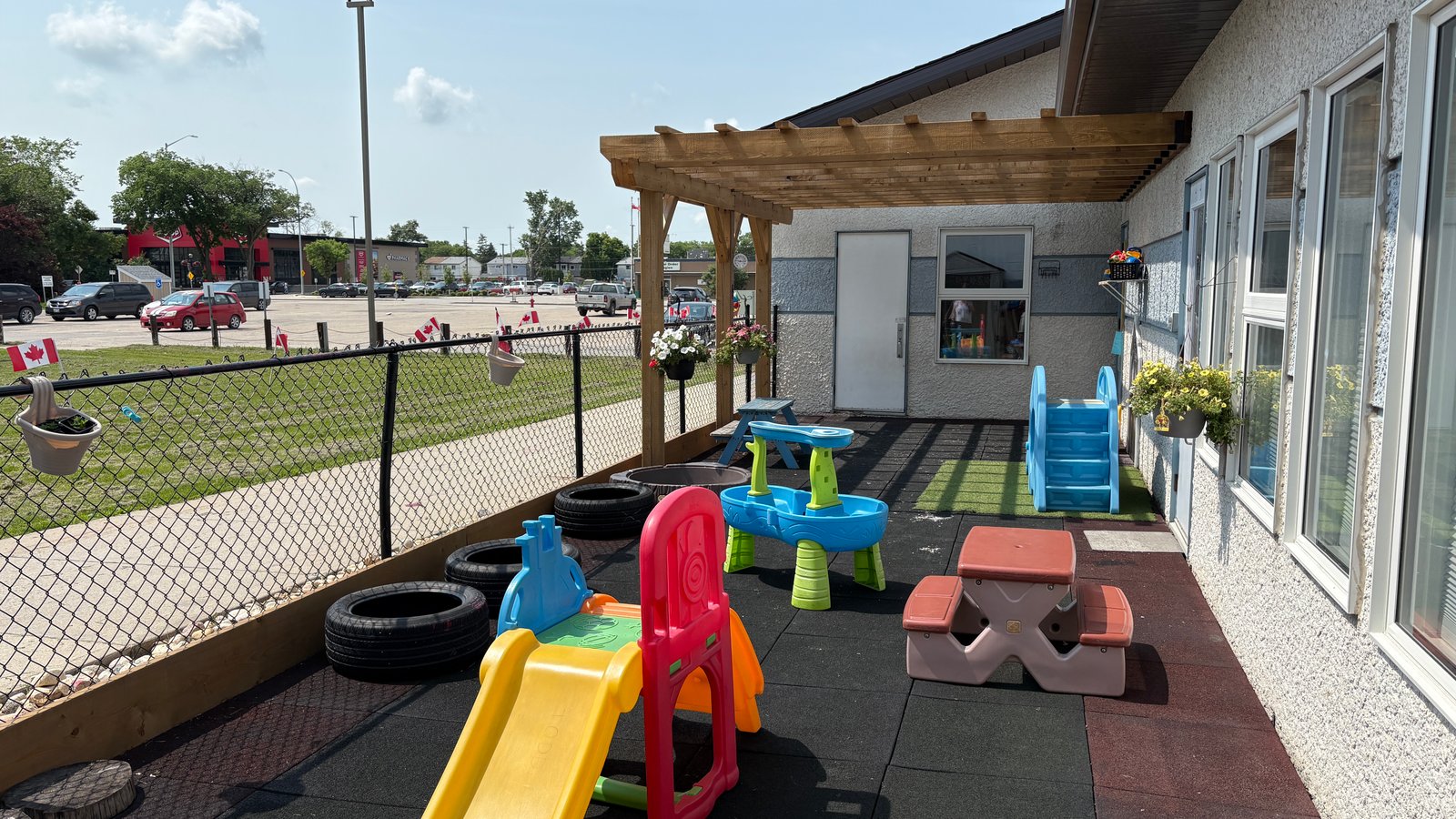
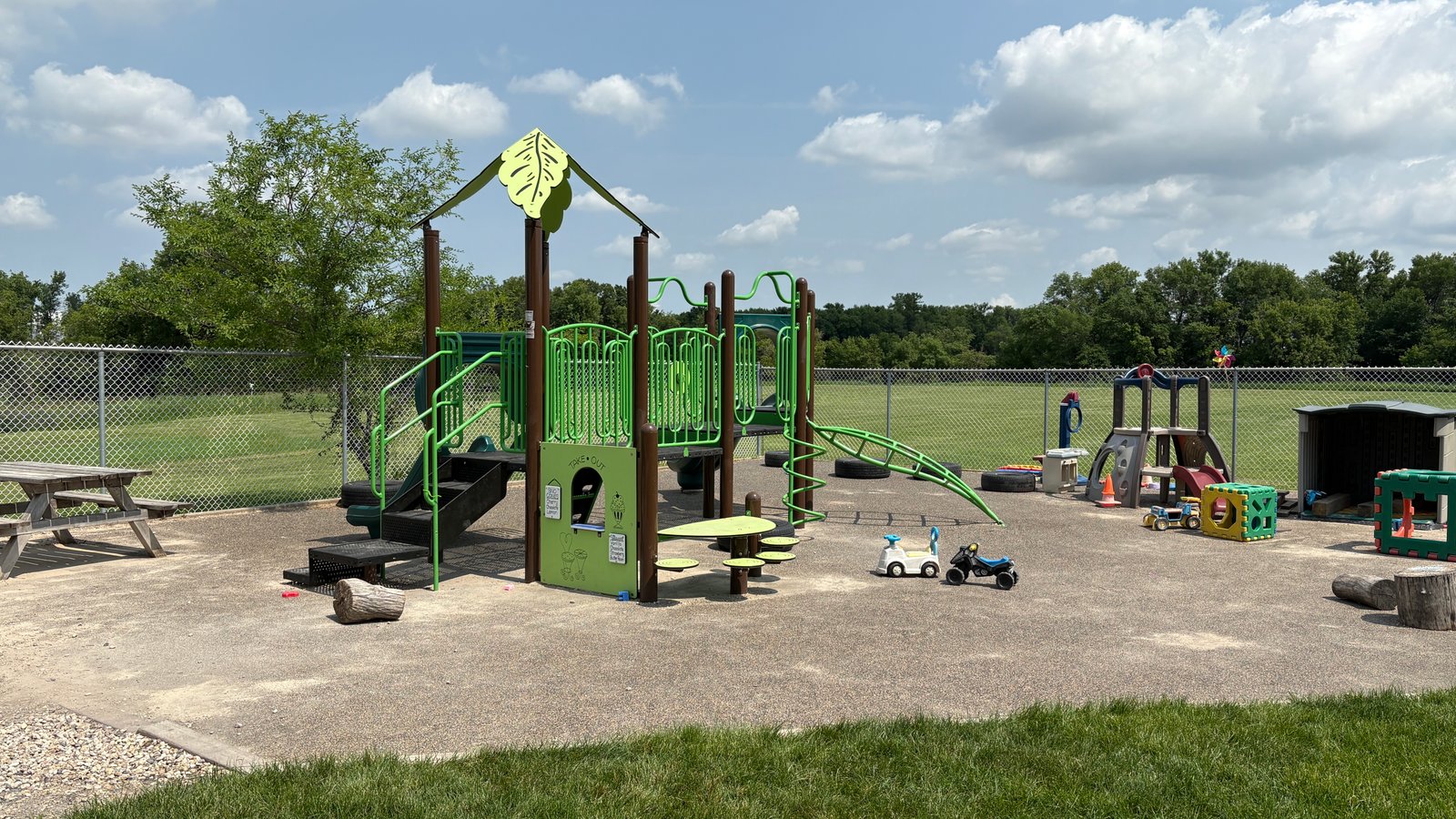
provided offers opportunities for children to crawl, jump, run,
ride, throw, and kick, promoting gross motor development.
The daily schedule is posted and is flexible to meet the
individual needs of children. Outdoor times may be extended, lunch
may be offered earlier, and nap time may last longer, based on
children's needs.
Routines and transitions are flexible, and carried out in a manner
that is familiar and comforting to the children, promoting a sense
of security. Mealtimes are planned to create a homelike atmosphere.
Children are seated in high chairs or at small tables, and their
food is placed in front of them. A social atmosphere is created as
educators talk about foods being served, explain what is occurring,
and engage in general interactions.
Nap is provided to
meet the needs of children. Cribs and playpens are placed in the
same location each day, and educators assist children to sleep in a
way that is most comforting to the child, which may include being
left to fall asleep independently, having their back rubbed, or
being rocked to sleep.
Diapering and dressing are
opportunities for educators to promote literacy, social skills and
independence. Actions are labelled ("I am now taking off your
diaper"), new words are used and songs are sung.
Educators communicate with one another, as well as
parents, to better understand the needs of the child, as well as the
needs of the family as a whole. Information is shared both verbally
and in written format about each child, each day. Daily information
sheets are completed with the purpose of capturing the child's day.
Planned activities, as well as the child's routine for the day are
documented, and shared with the parents/guardians. Children's photos
and artwork are posted for the information of families. Families are
encouraged to bring in special objects that reflect their home life,
such as cultural music, cooking utensils, and dress-up clothing.
Preschool
2 years to 4 years
7:00 am - 6:00 pm
Ratio 1:8
Fees
2 years to 6 years - $10 per day
Non-refundable registration fee - $200
Refundable deposit of $100 (10 days @ $10)
.jpeg)
Preschool Curriculum Statement
We believe and understand that the experience preschool children
have while in our care plays a vital role in their growth and
development.
Educators engage in active listening, maintain eye
contact, get down to the child's level and role model positive
interactions, all with the purpose of building relationships with
children. Educators attempt to spend time with each child each day,
to get to know their individual needs and interests.
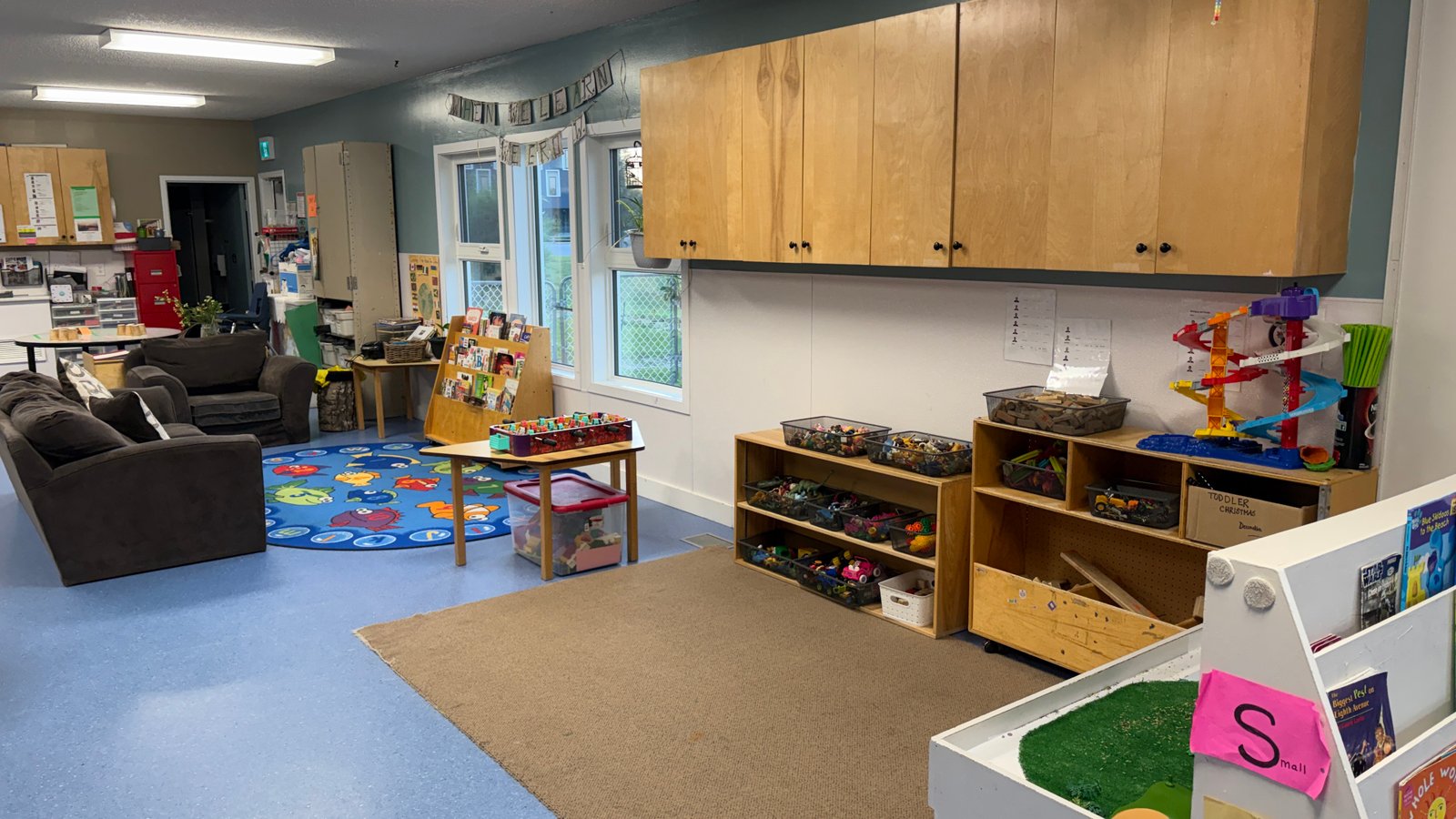
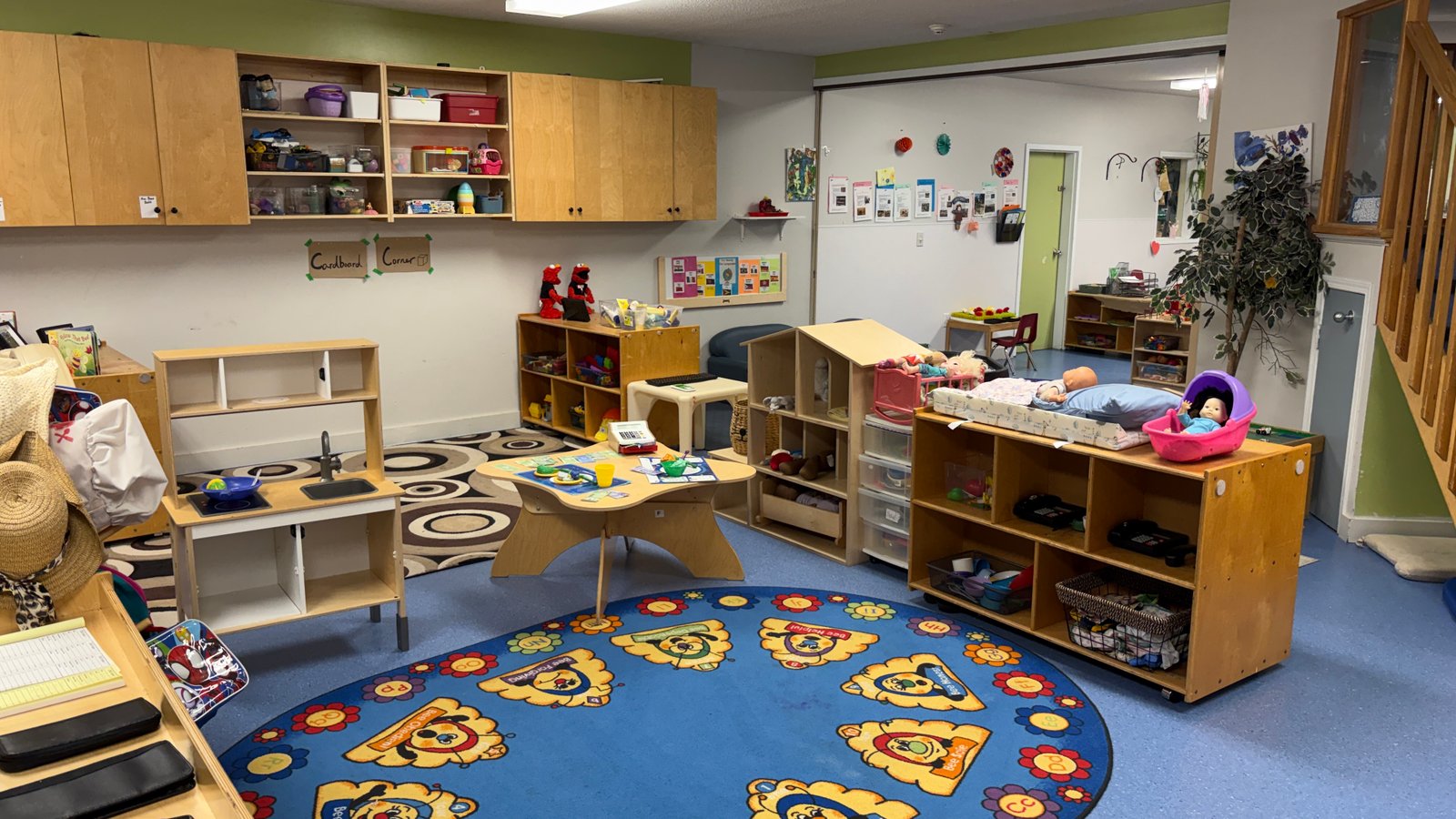
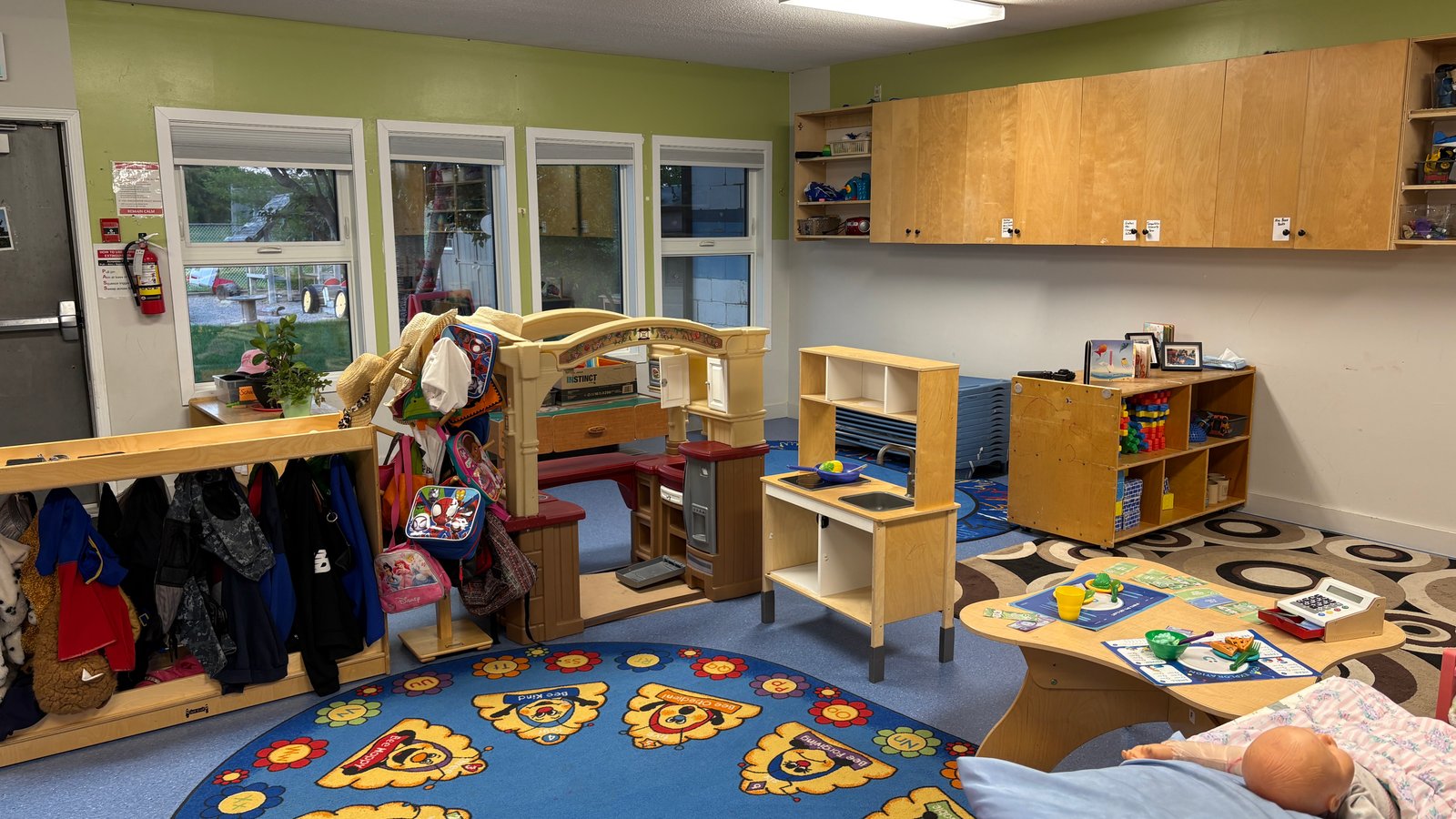
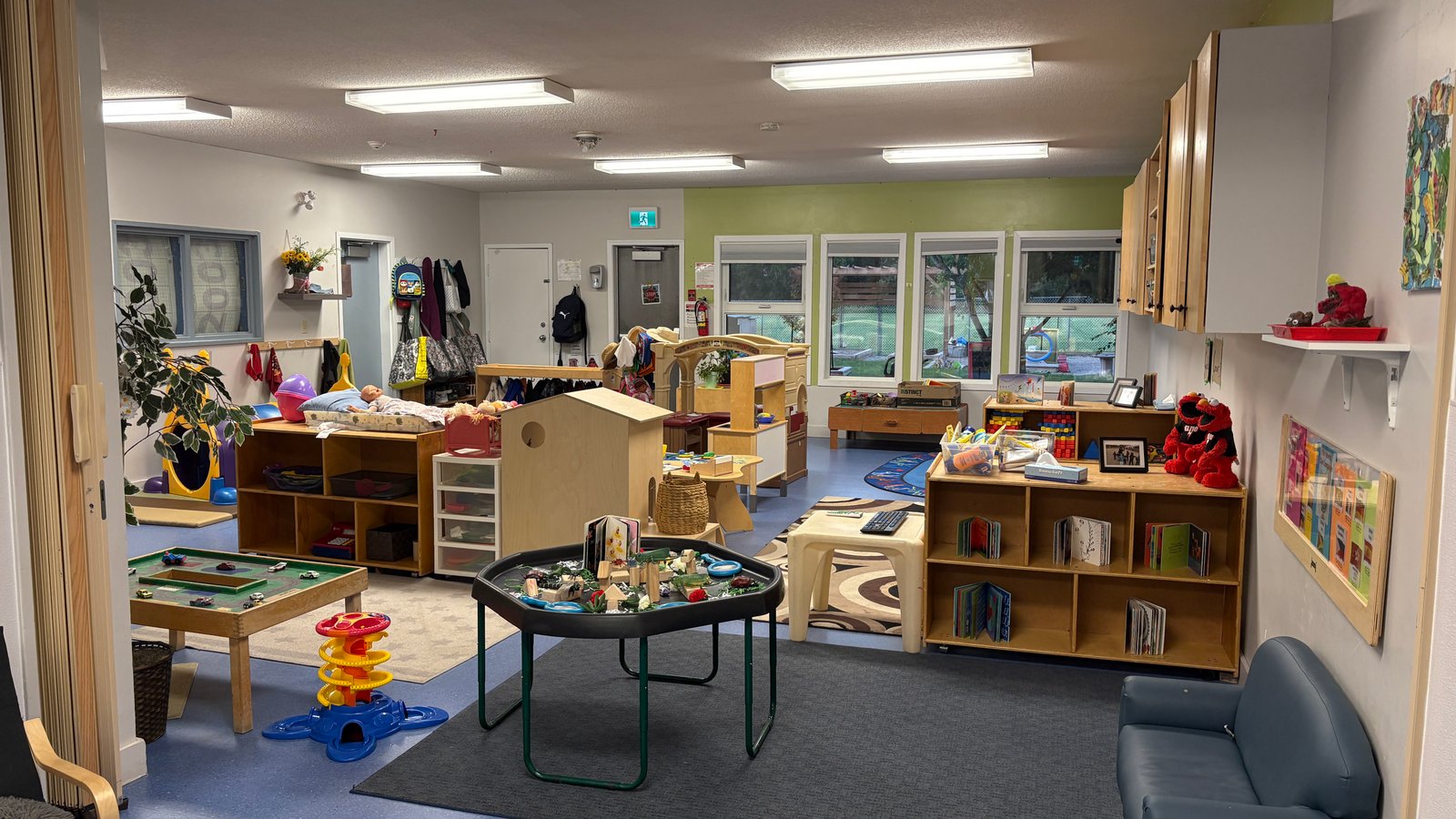
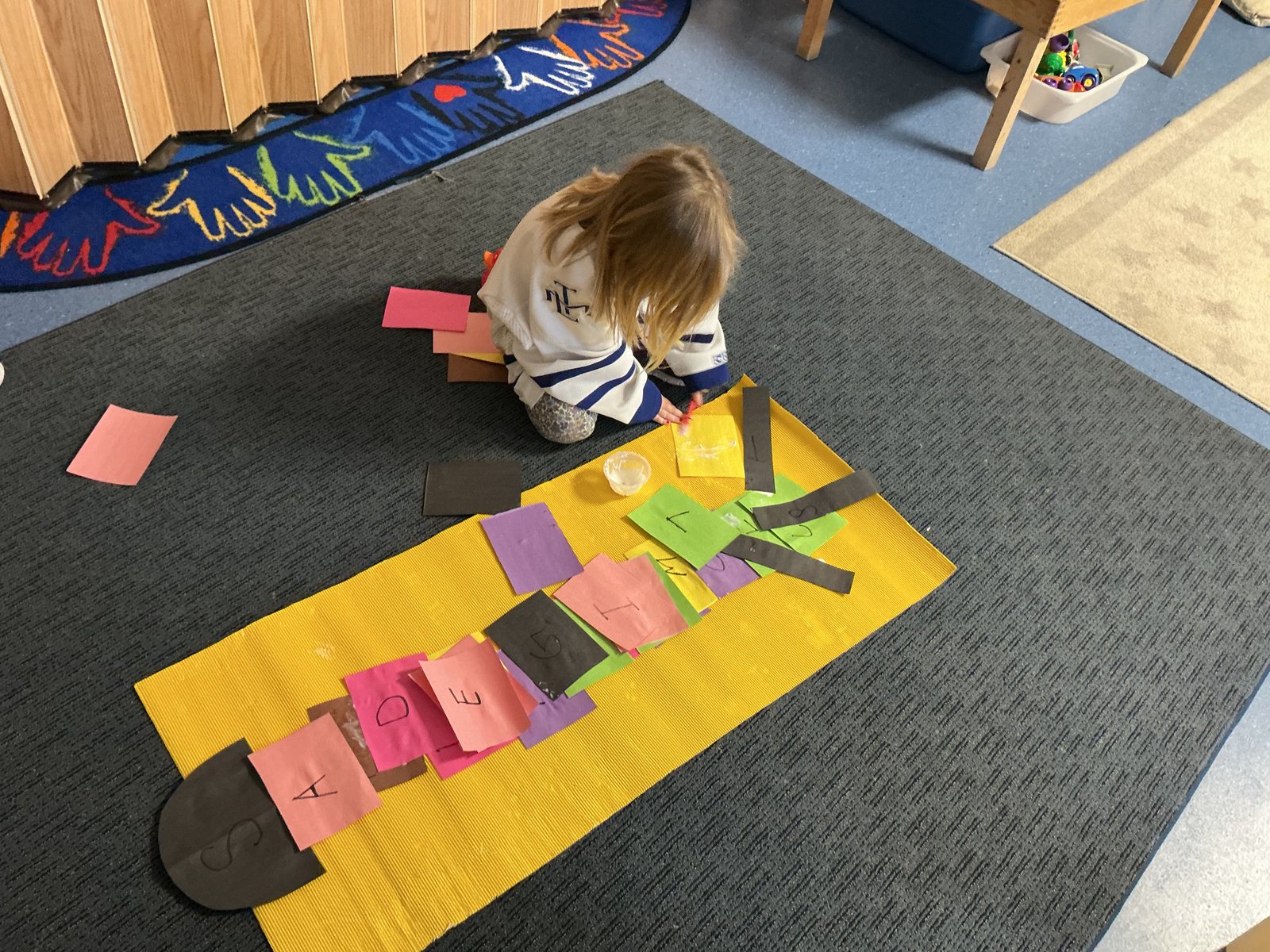
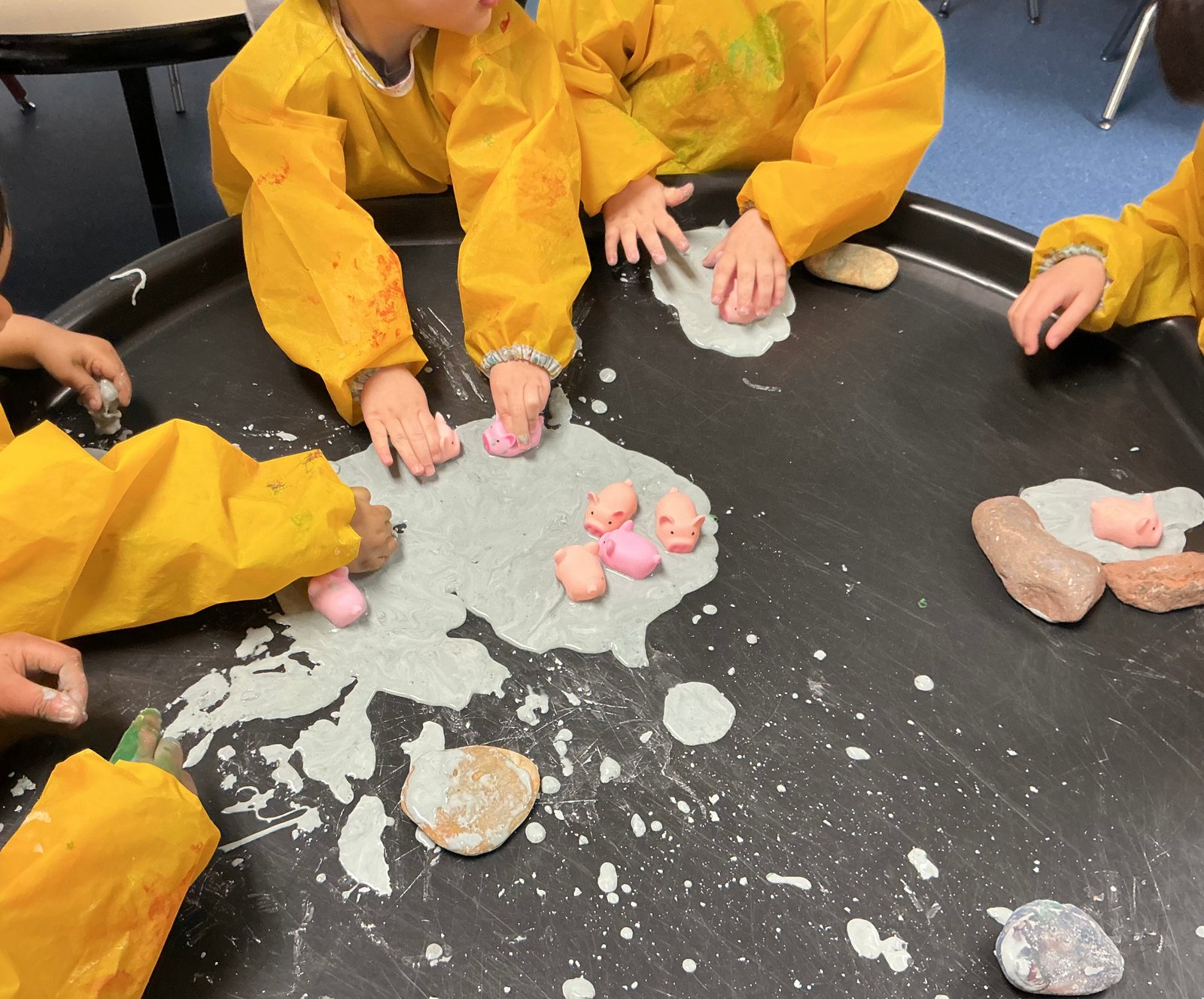
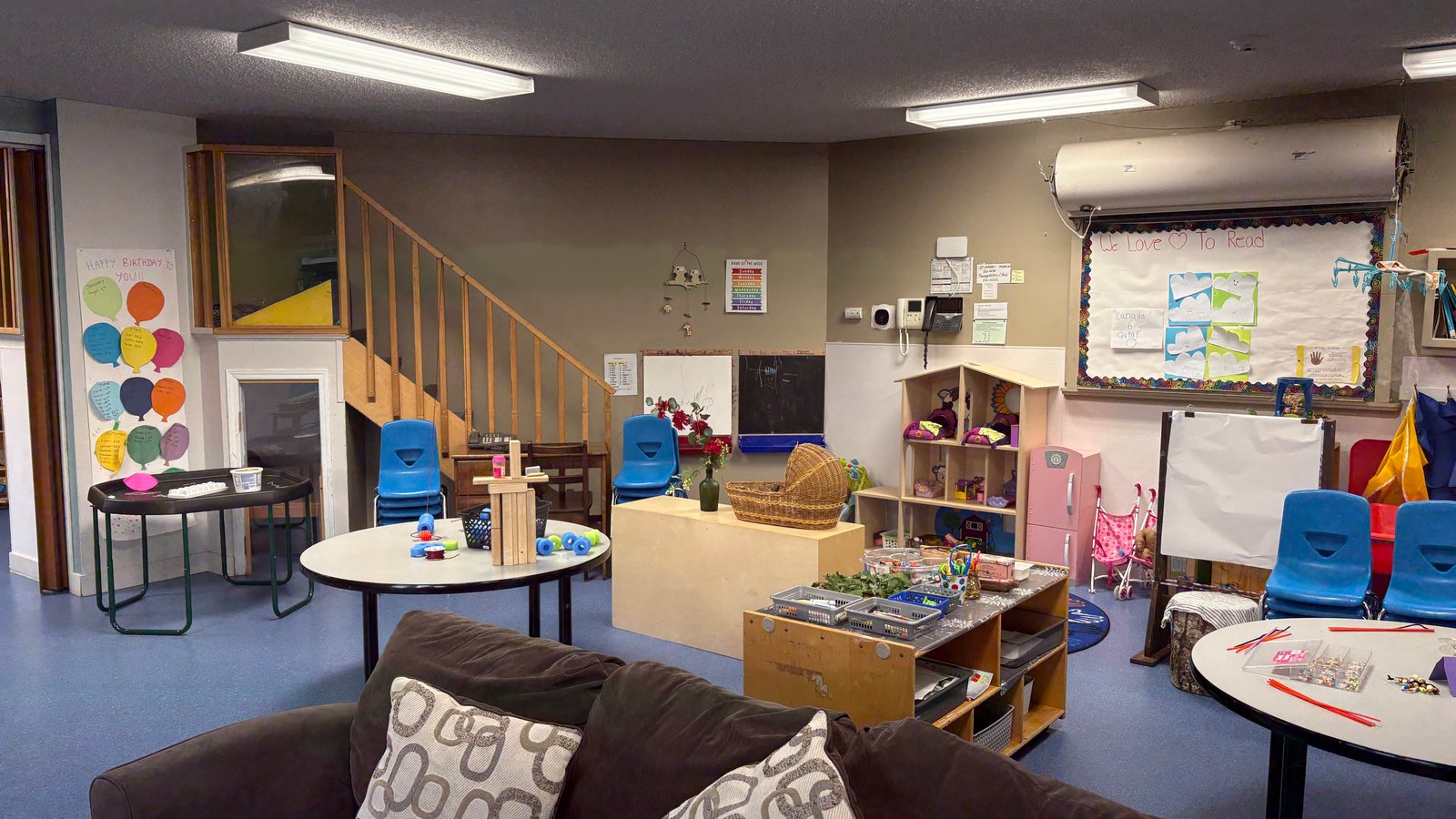
The
environment is set up into learning centers to encourage and invite
all types of play including solitary, cooperative, small group and
large group. Educators observe and respect children's play, and will
step in to enhance ideas and concepts, taking cues for when children
need space to expand play independently. Educators will expand on
children's language, share new ideas, new words and new concepts.
Daily curriculum planning includes many activities from a variety of
areas. Spontaneous activities also occur. The daily schedule is
flexible and may be adapted to meet children's needs. As play is
viewed as the most valuable learning tool, large blocks of
uninterrupted play are offered both in and outdoors. Group times are
planned, and children are invited to participate. Children are
provided with opportunities to make choices which encourages
independence and builds confidence.
Daily routines such as hand washing, dressing, bathrooming and
transitions, offer opportunities for children's learning. Educator's
use these times to converse with children, discuss proper hygiene
practices, ask "what comes next", and explain what is occurring
during a given routine.
Daily communication with parents
results in healthy relationships and mutual trust. Educators listen
to families as they share information, and in this manner are better
able to understand what the family needs and wants.
The
events of a child's day, and their learning and development are
celebrated each day, and shared with families in a variety of ways,
including general conversation, via posting of children's artwork,
long-term projects, and photos of children engaged in daily
activity.
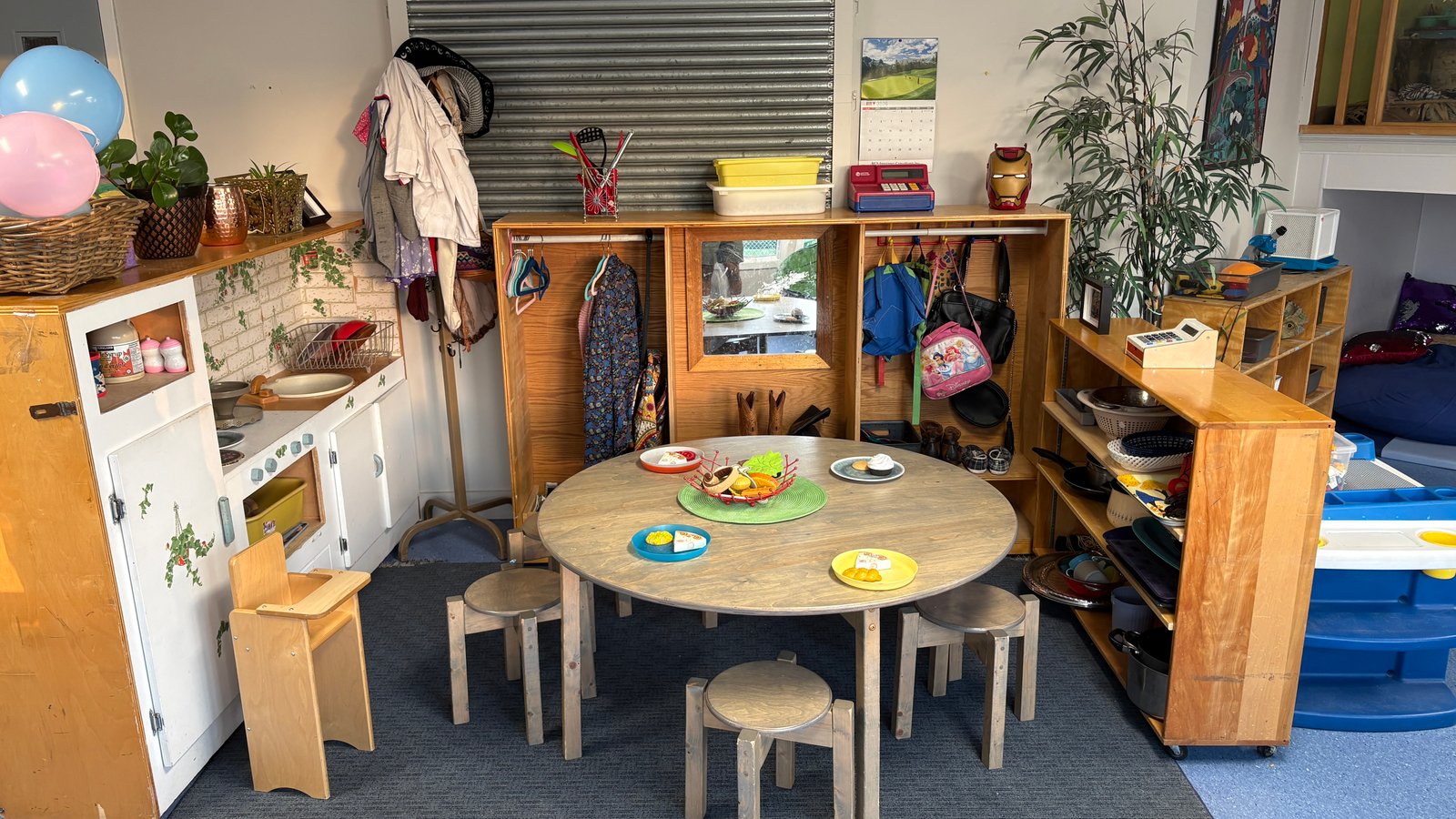
Toys and equipment are rotated frequently, and
chosen based on children's interests. Educators ensure the
environment is diverse in nature, with many books, postings, and
items reflecting people of varying ages, ethnicities and abilities.
Musical instruments, play food, and dress-up clothing also reflect
diversity.
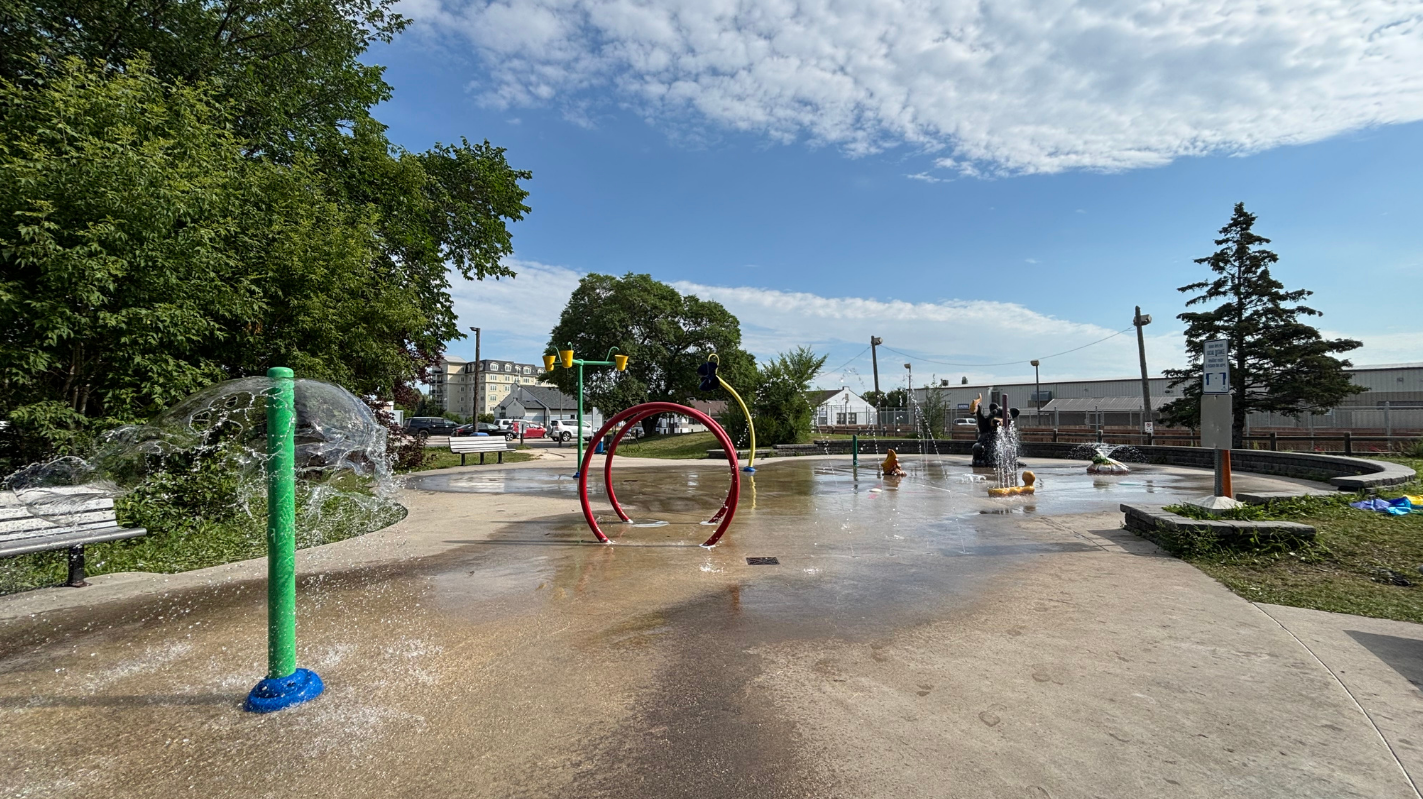
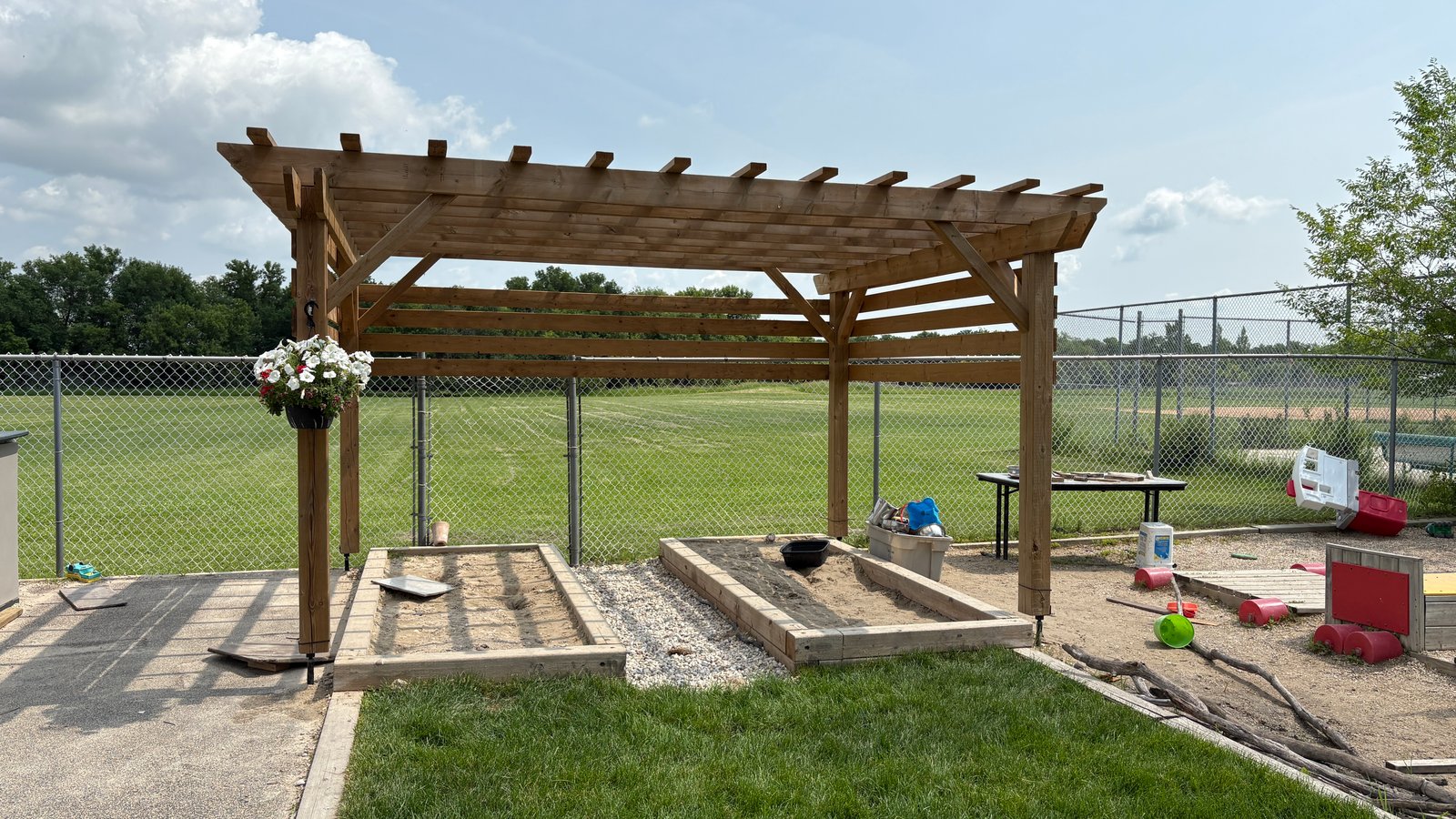
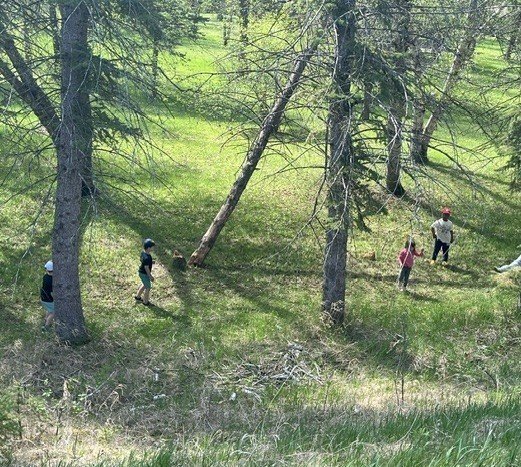
Daily outdoor activity occurs, connecting
children to nature, providing them the opportunity to learn to love
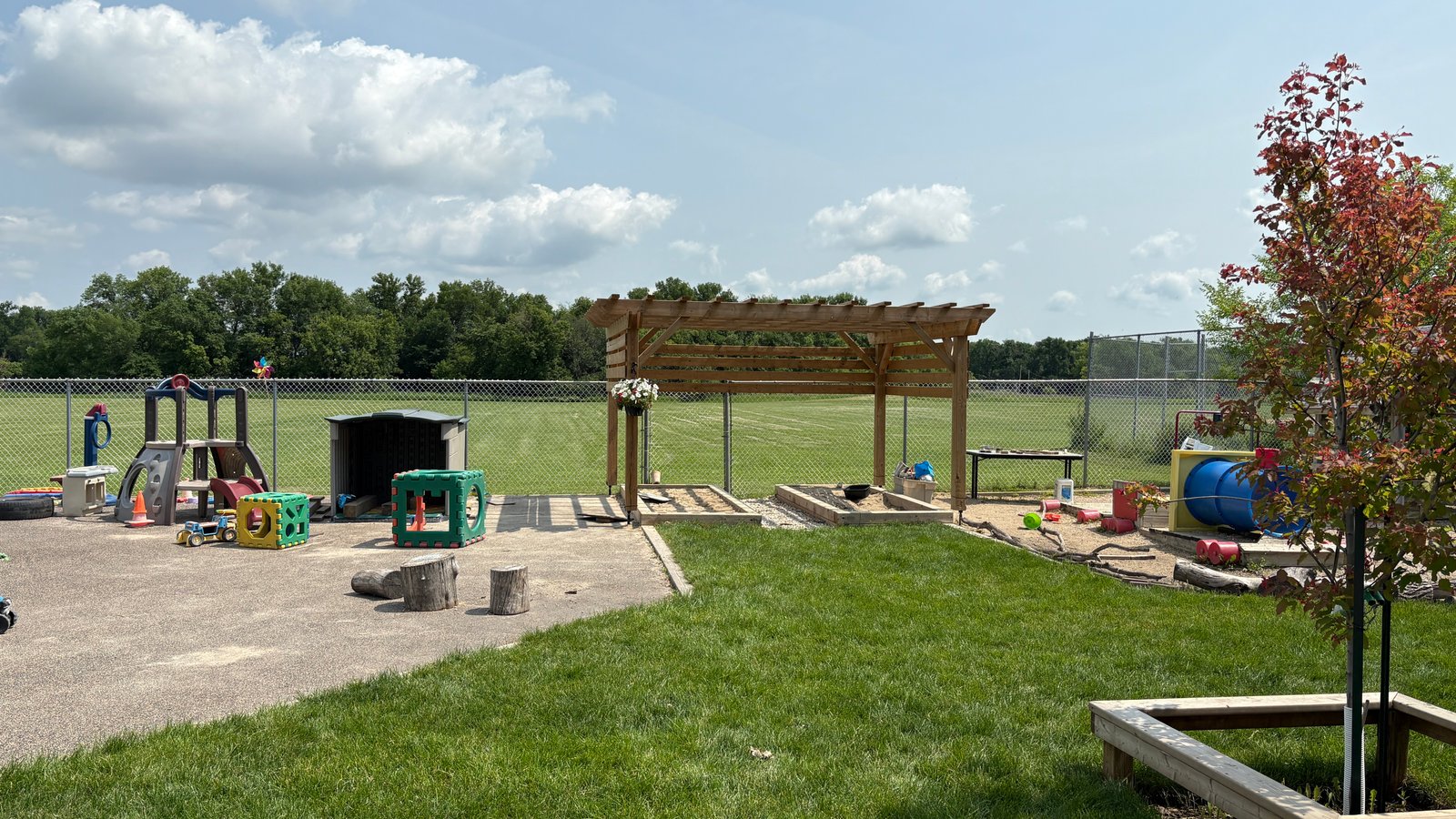
the outdoors, and love our seasons. Activities are provided in our
playgrounds, and in local greenspaces in our neighbourhood. We spend
many hours outdoors each day.
We offer opportunities for
parents to be involved in the Centre, by being on the Board of
Directors, volunteering, reading stories to children, sharing a
talent, or providing a traditional food for children to share.
School Age
6 years to 12 years
7:00 am - 8:15 am (before school) & 3:30pm - 6:00pm (after school)
In-services and holidays - 7:00 am - 6:00 pm
Ratio 1:15
Fees
Grade 1 to 6 - $8.60 before & after school, $10 on non-school days
Non-refundable registration fee - $200
Refundable deposit of $86 (10 days @ $8.60)
.jpeg)
School Age Curriculum Statement
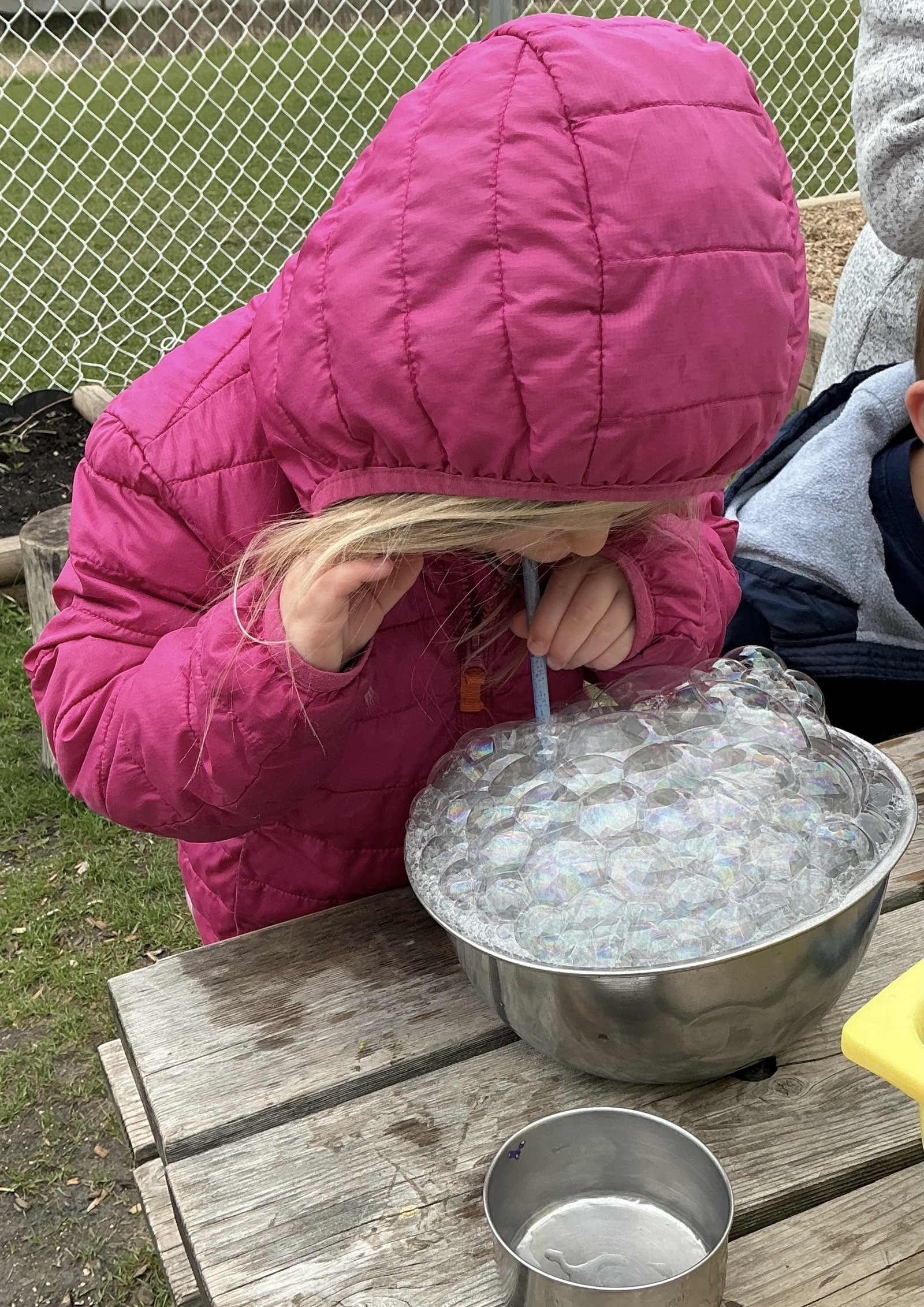
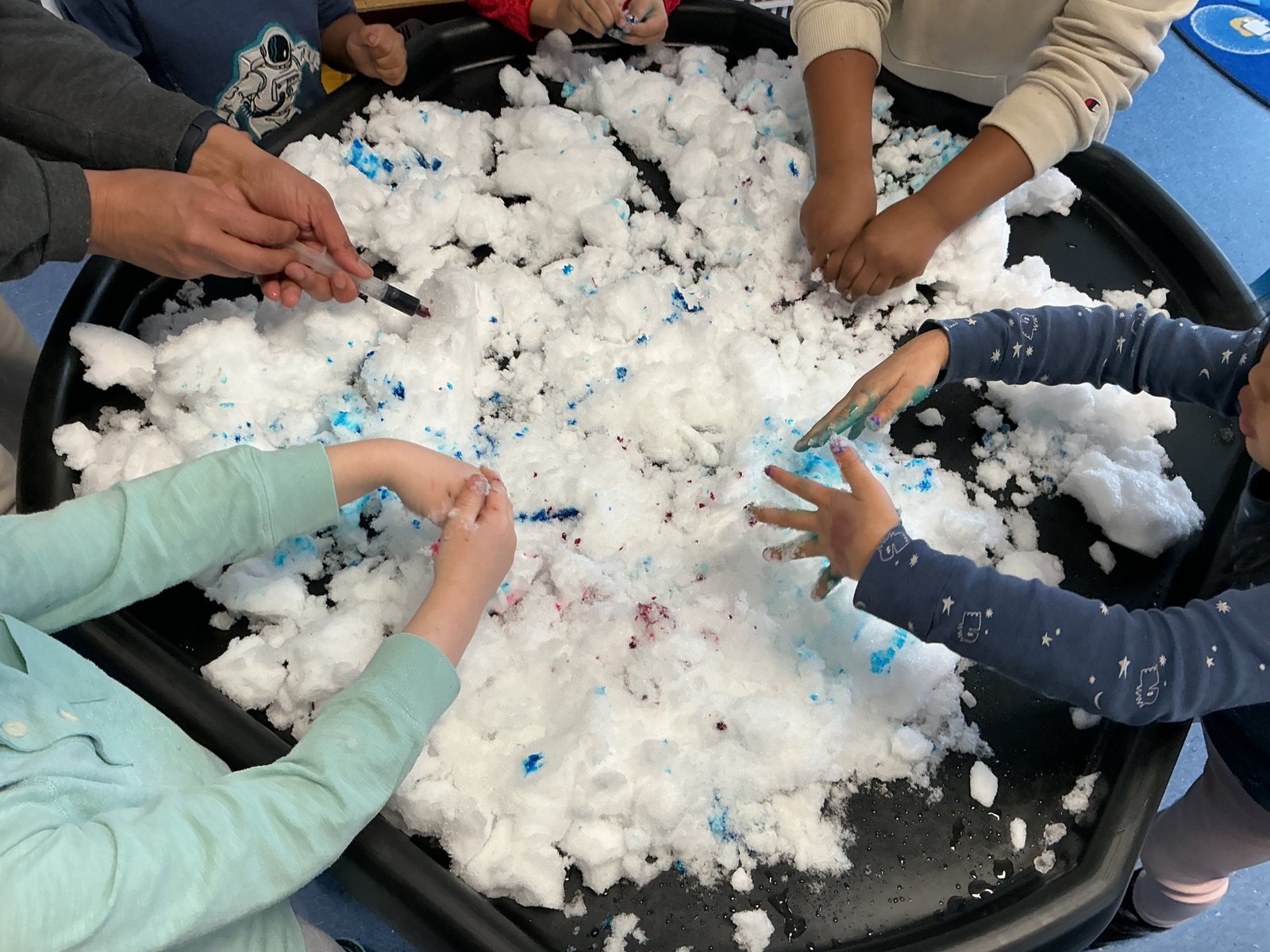
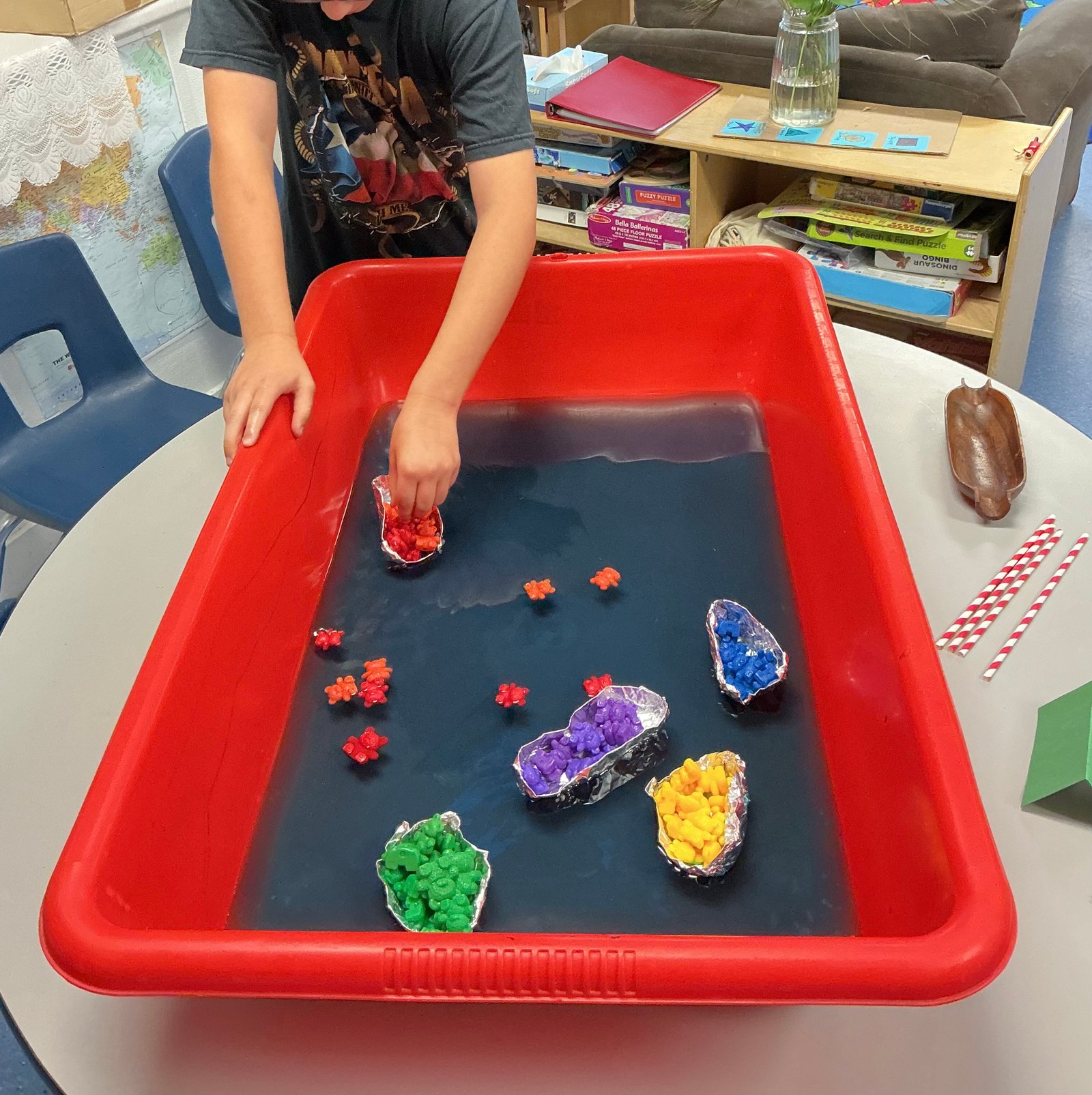
The school age program is designed to nurture children's growing
independence, curiosity and sense of responsibility through
engaging, developmentally responsive experiences. The learning
environment is carefully created, and encourages exploration,
collaboration and meaningful connections, supporting each child as
they develop the skills and confidence needed for lifelong learning.
When children have questions, educators will encourage them to seek
out answers through exploratory activities which may be planned or
spontaneous.
Educators understand that each child is a unique
individual with varied interests, needs and abilities. Educators
create an environment that guides learning, enhances knowledge and
meets the needs of all children.
School age children are
growing physically, emotionally, socially, cognitively and
linguistically. As they develop, peer connection, friendships and
alliances are crucial. Our program values and supports the social
learning that occurs among school age children. By fostering peer
relationships, educators help children feel connected, help them
develop skills needed to participate respectfully and confidently in
a group setting, and help them feel capable in a community that
supports growth.
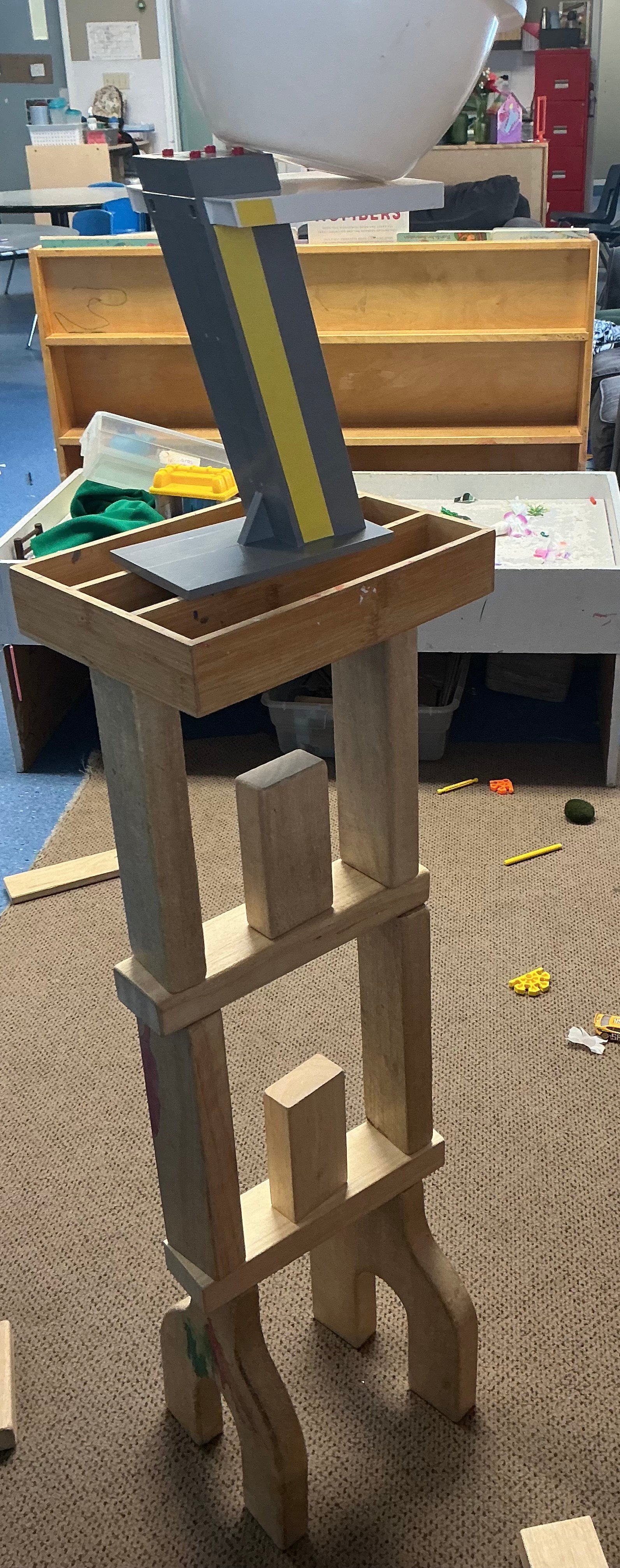
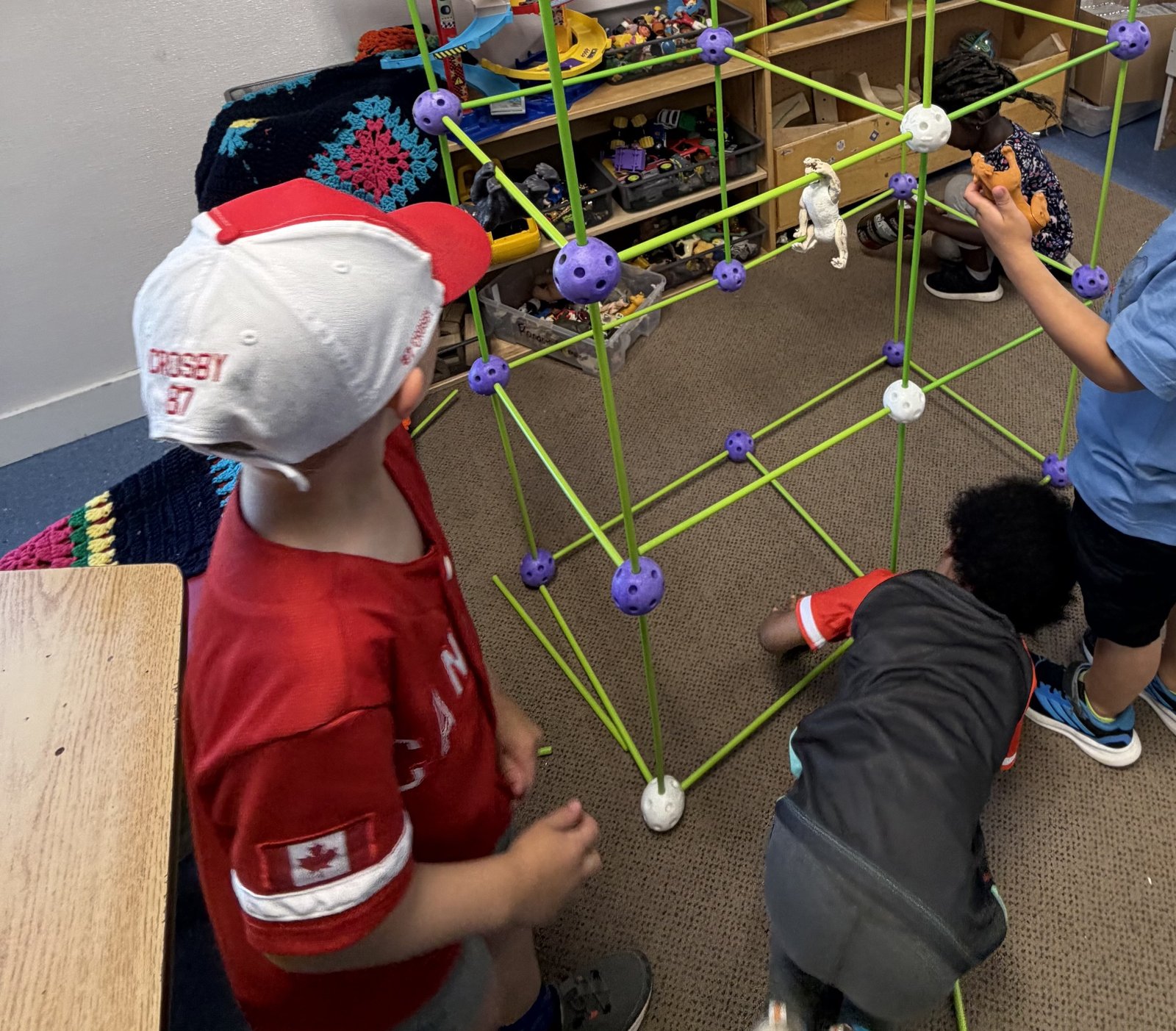
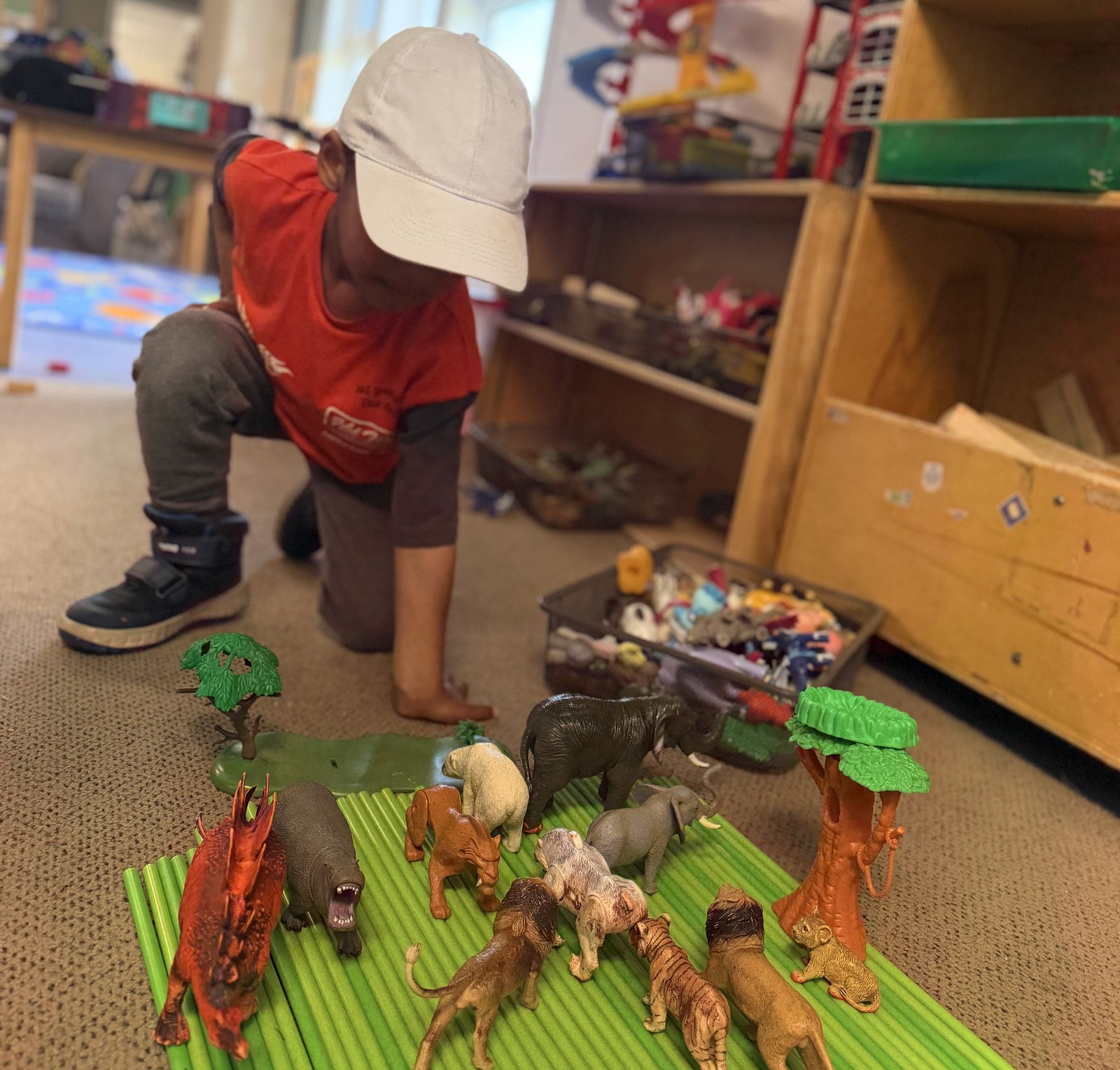
Children have access to many developmentally appropriate toys and
equipment, they may request additional items to be taken out and
added to the environment at any time. The daily schedule is flexible
and allows for much unstructured time. Children may engage in
self-directed activity, free play either in or outdoors, and/or
participate in planned activities. Quiet times are also offered.
Programming promotes personal responsibility,
development of self-help skills and opportunities for children to
learn to appreciate and respect the environment. Educators encourage
problem-solving skills and guide children as they work through
conflicts. Children are expected to treat peers, educators and the
environment with kindness and respect.
Educators are
continually observing children, and ensure they are accessible to
support children as they develop their skills, talents, interests
and confidence. Children who are interested are given opportunities
to assist with daily tasks such as washing tables, unpacking
delivery orders, and assisting with the younger children in the
room, allowing for children to feel a sense of pride and fulfilment.